









Solutions
Oil & Gas Air Monitoring
Protect nearby communities and confidently maintain regulatory compliance with our real-time air quality monitoring solutions for the oil and gas industries.
Concern about the potential impacts of oil and gas production on climate change and human health is driving a worldwide movement toward more stringent air quality regulation. All petroleum refineries within the U.S. are required under the EPA’s Refinery Sector Rule to monitor benzene at the perimeter according to Method 325. This approach typically requires air samples to be collected over a two-week period via sorbent tubes, which are then sent away for lab testing.
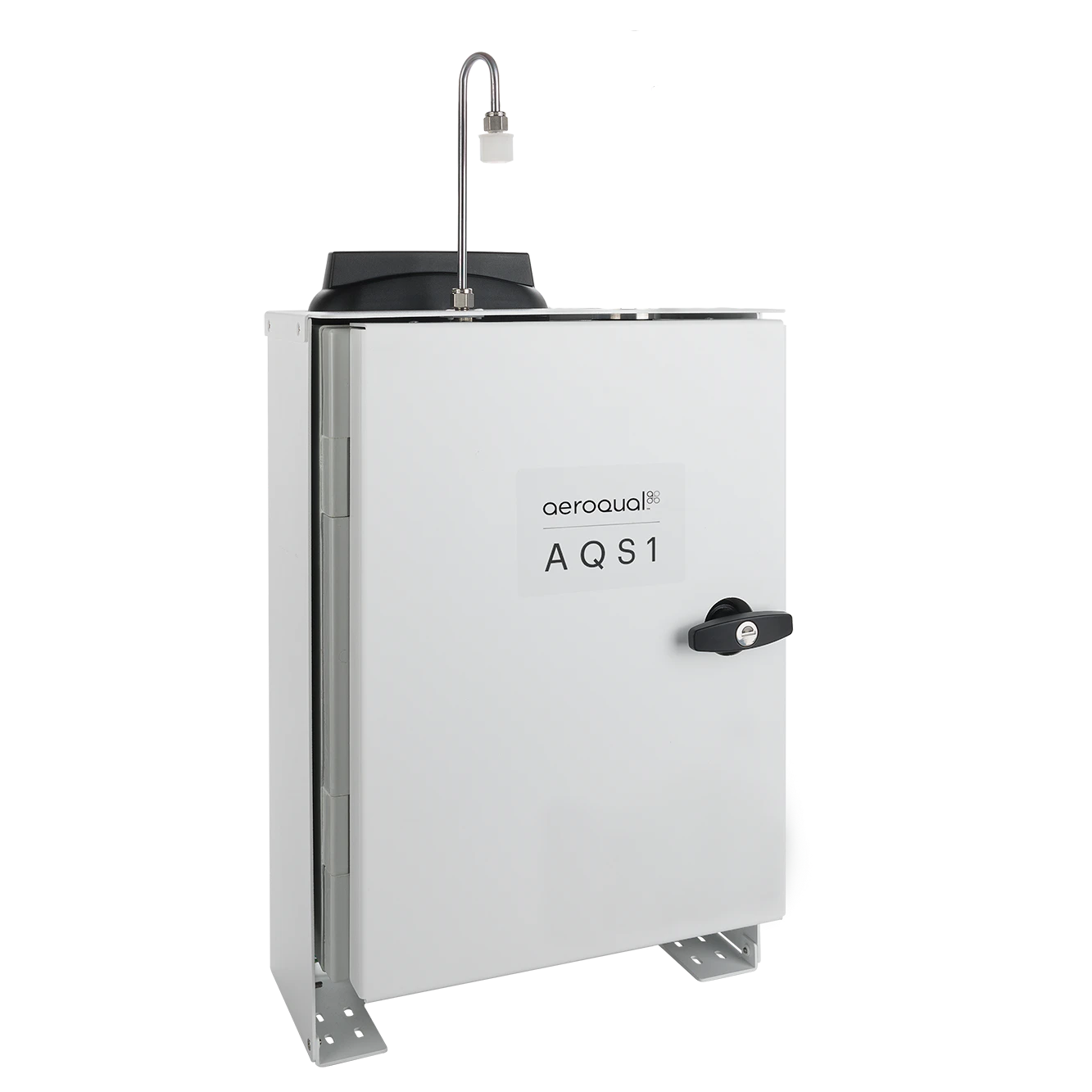
However, waiting on retrospective lab measurements to confirm an exceedance means it’s already too late. Early detection of emissions is critical for protecting communities, ensuring ongoing compliance, and avoiding undue blame. The Aeroqual AQS 1 Benzene continuously gathers credible benzene data, enabling reliable source localization in the event of a leak.
Our additional oil and gas air monitoring solutions, like the Aeroqual AQS 1, AQM 65, or handheld Ranger, are trusted throughout the industry to provide defensible, real-time data on methane, H2S, VOCs, and other parameters required by key regulations, such as Colorado Regulation 7 and South Coast AQMD Rule 1180.

Continuously monitor benzene, detect leaks and take swift action
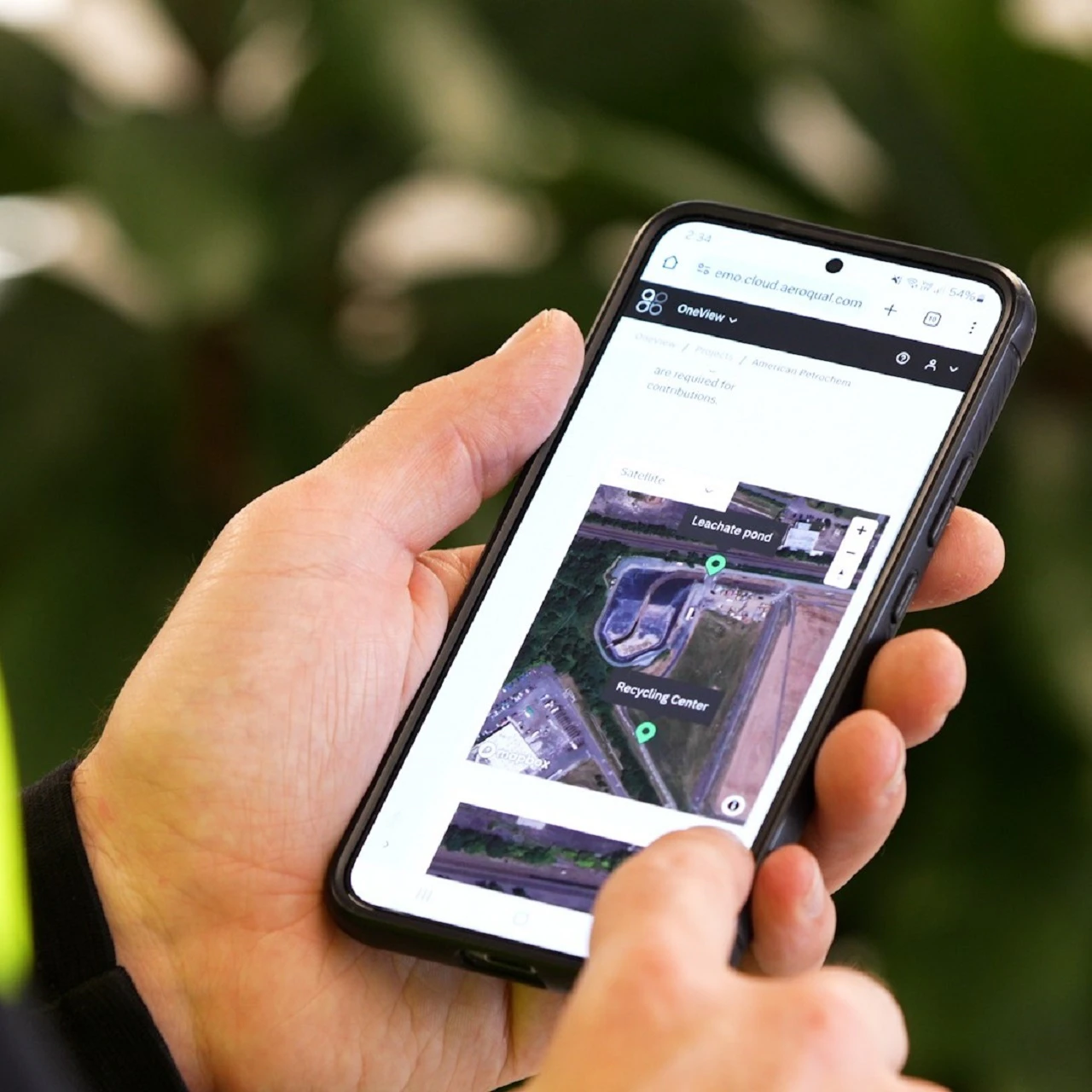
As a known carcinogen via all routes of exposure (including inhalation), benzene is heavily regulated within the oil and gas industry. Under the U.S. EPA’s Petroleum Refinery Sector Rule, petroleum refineries are required to conduct fenceline monitoring for benzene using Method 325 passive sampling techniques. Aeroqual’s AQS 1 Benzene Air Quality Monitor supports Method 325 compliance by providing an accurate benzene measurement once every 15 minutes. The AQS 1 Benzene, paired with meteorological sensors and our Aeroqual Cloud software, uses wind data and continuous benzene measurements to locate the source of a benzene emission. This enables operators to take corrective action in the moment, maintaining compliance and protecting the surrounding community.

Capture accurate data from any location, with flexible power options available
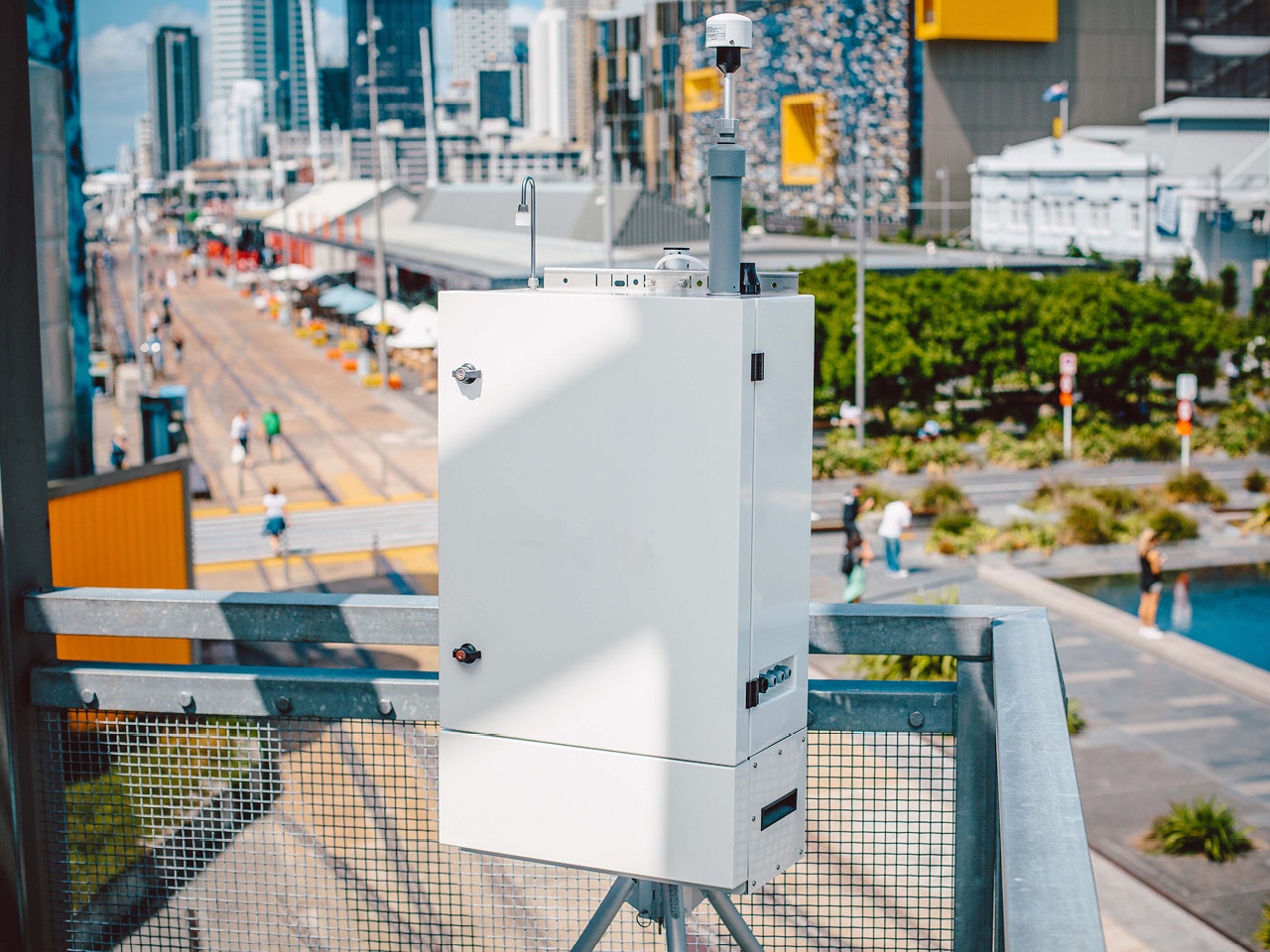
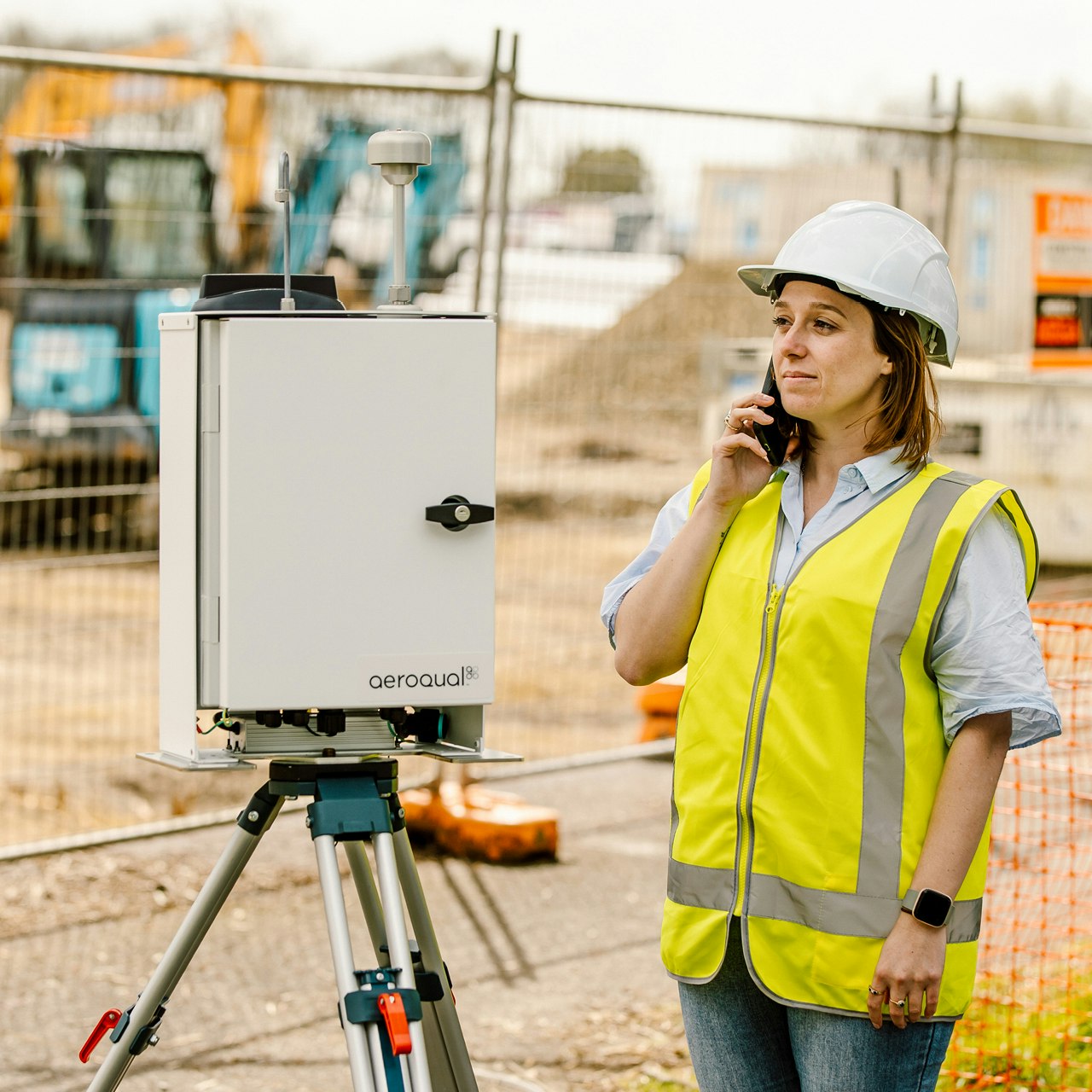
A lack of access to power sources in the field can be a significant barrier for facility operators setting up fenceline monitoring networks. The AQS 1 Benzene features a low-power design compatible with solar and battery-powered solutions. A robust, weatherproof enclosure and solar shielding provide an operating range of up to +45 °C (113 °F), while our Winterization Kit extends the low operating range to -40°C. This ensures power and performance are never an issue, from the most remote locations to the most extreme temperatures. The AQS 1 Air Quality Monitor offers the same flexible power options and durable design, allowing operators across the oil and gas industry to gather accurate, continuous data in any environment.

Detect methane leaks and accurately quantify emissions
A combination of aerial and ground-level technologies is often used to detect and quantify methane emissions, including satellites, aerial surveys, and optical gas imaging (OGI) cameras. However, a fixed sensor network is the optimal method for monitoring methane leaks at oil and gas facilities. Aerial monitoring provides regional methane data but lacks specificity due to low temporal resolution. OGI cameras offer strong leak detection capabilities but poor quantification. Aeroqual’s fixed monitoring solutions deliver continuous real-time measurement of methane and other pollutants with near-reference accuracy. Our recent partnership with Project Canary, a leading emissions measurement and reporting platform, integrates Aeroqual's AQS 1 sensors with Project Canary's advanced analytics, further empowering our customers with more precise methane monitoring insights.

Fulfill upstream, midstream and downstream monitoring requirements
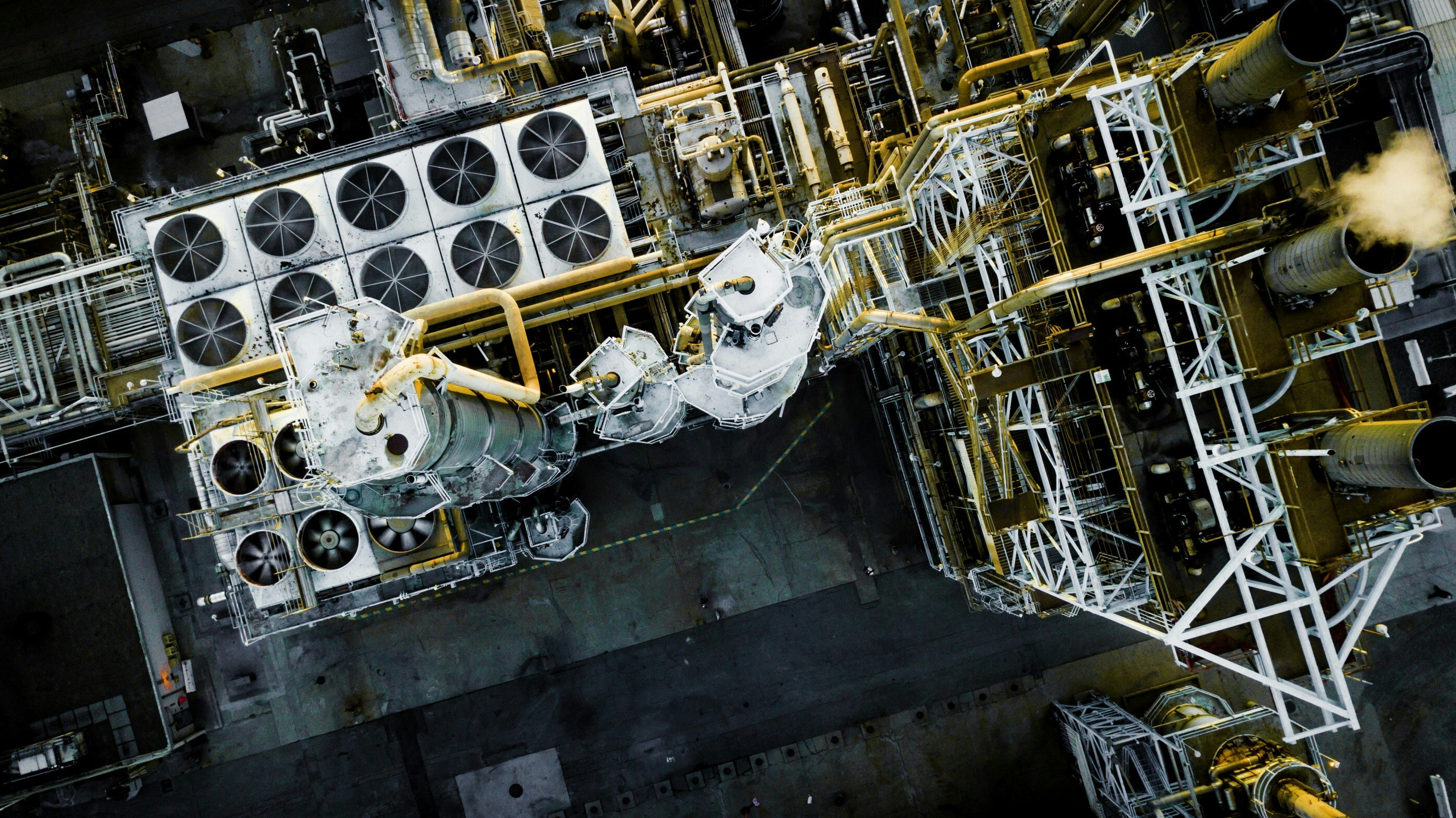
Upstream activities (including exploration, drilling and production), midstream functions (processing, transportation and storage) and downstream operations (refining and distribution) all require continuous air quality monitoring under U.S. regulations. In addition to U.S. EPA-mandated benzene monitoring, other key rules include Colorado Regulation 7 (requiring a monitoring plan for upstream oil and gas facilities), South Coast AQMD's Rule 1180 (setting out fenceline monitoring requirements for refineries), and California’s Senate Bill 1137 (requiring monitoring at upstream sites located near sensitive receptors). The Aeroqual AQS 1 Benzene supports benzene monitoring compliance, while the Aeroqual AQS 1 offers simultaneous measurement of methane, VOCs, H2S, and other key criteria pollutants in a flexible, modular design.
Benefits
Accurate & Defensible Data
Industry-leading air sensor technology provides credible data you can trust
Remote Air Monitoring
Reduce manual intervention and save on operating costs with a remote monitoring solution
Automated Reporting
Streamline reporting requirements with our integrated air quality monitoring software

“Aeroqual's AQS 1 monitors were a logical choice for this project. The monitors exhibited reliable long-term operation using solar and battery power at remote sites without access to AC power.”
John Van Kirk
Senior Environmental Scientist, Quandary Consultants
Related Products


Resources
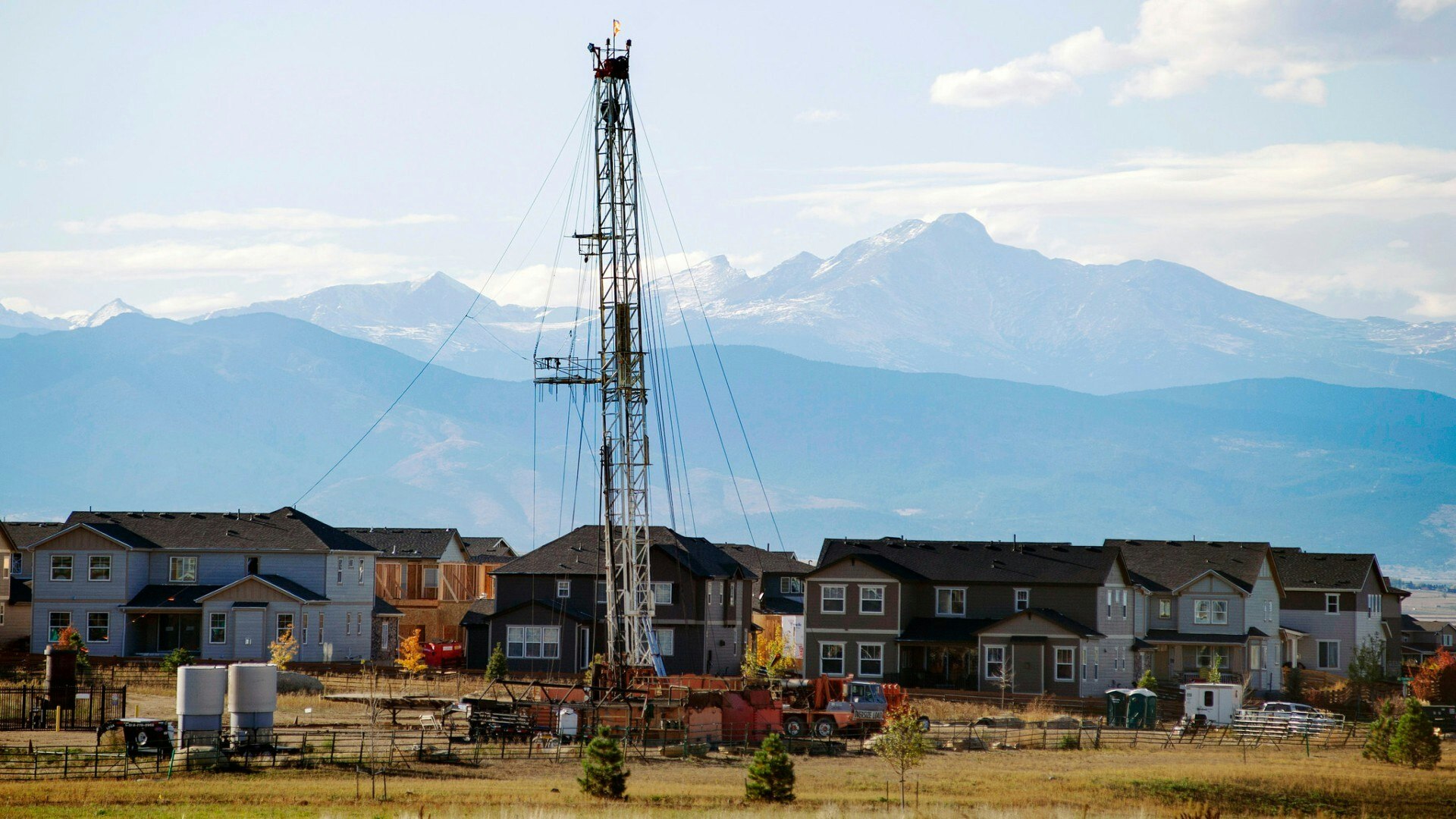
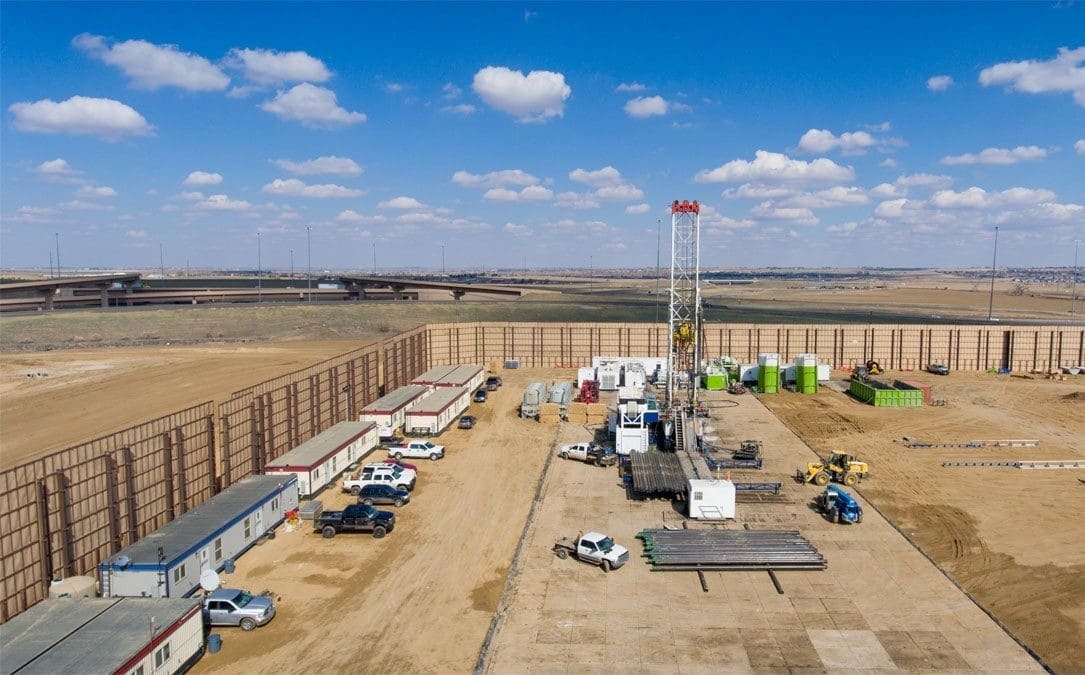
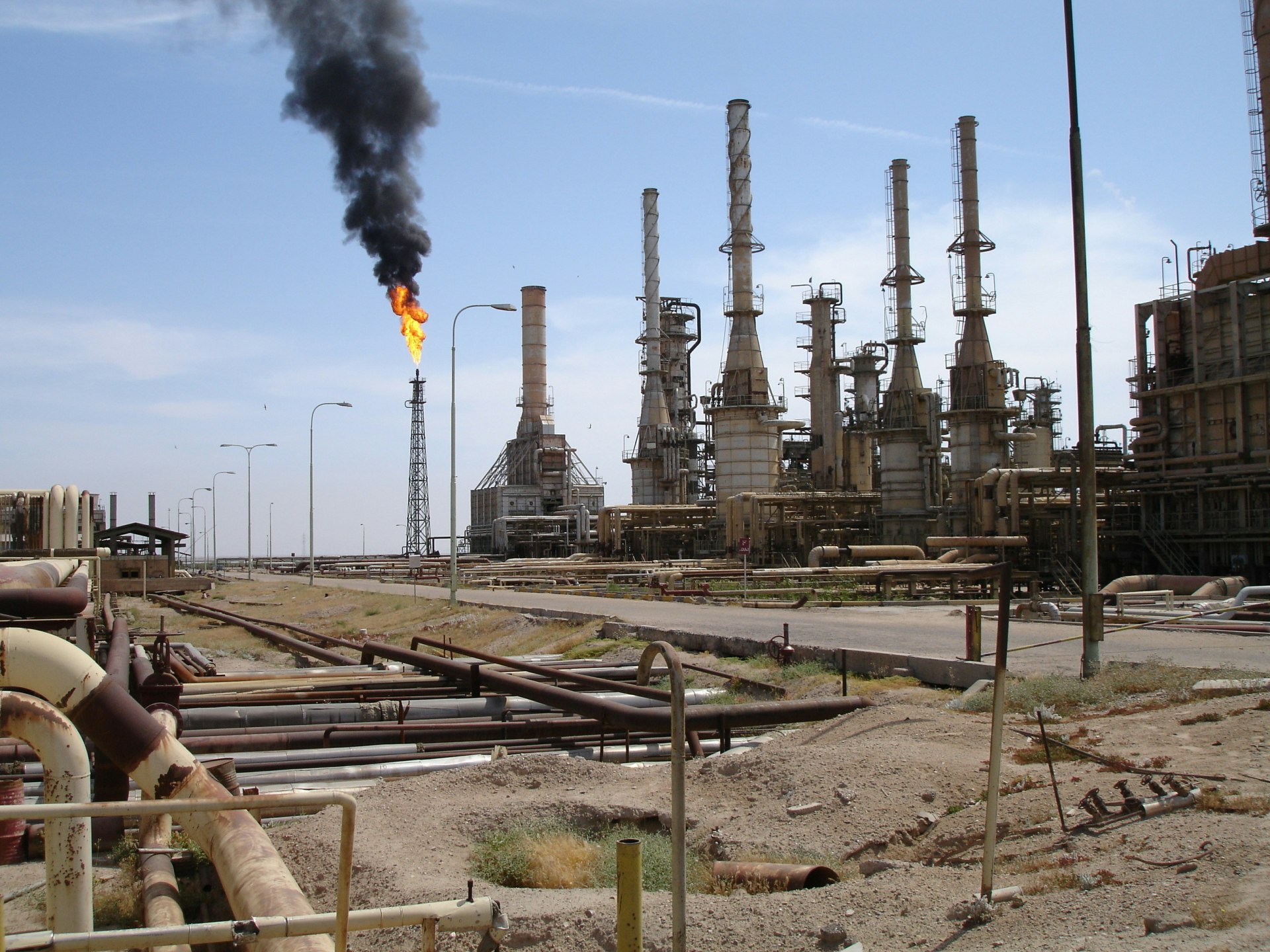

Real-time oil and gas air quality monitoring
Achieve compliance and effectively monitor air quality for all upstream, midstream, and downstream activities.