







Compliance
Rule 1466 Remediation Air Quality Monitoring
Simplify Rule 1466 compliance and deliver a successful brownfield remediation project with an all-in-one monitoring system pre-approved by regulators.
What is Rule 1466, and when does it apply?
As California-based site remediators and environmental consultants know, compliance with the South Coast Air Quality Management District’s (SCAQMD) Rule 1466 is essential on virtually any project involving earth-moving activities. In practice, Rule 1466 applies to earth-moving projects with >50 cubic yards of contaminated soil, with the goal of minimizing fugitive dust emissions and protecting surrounding communities from harm.
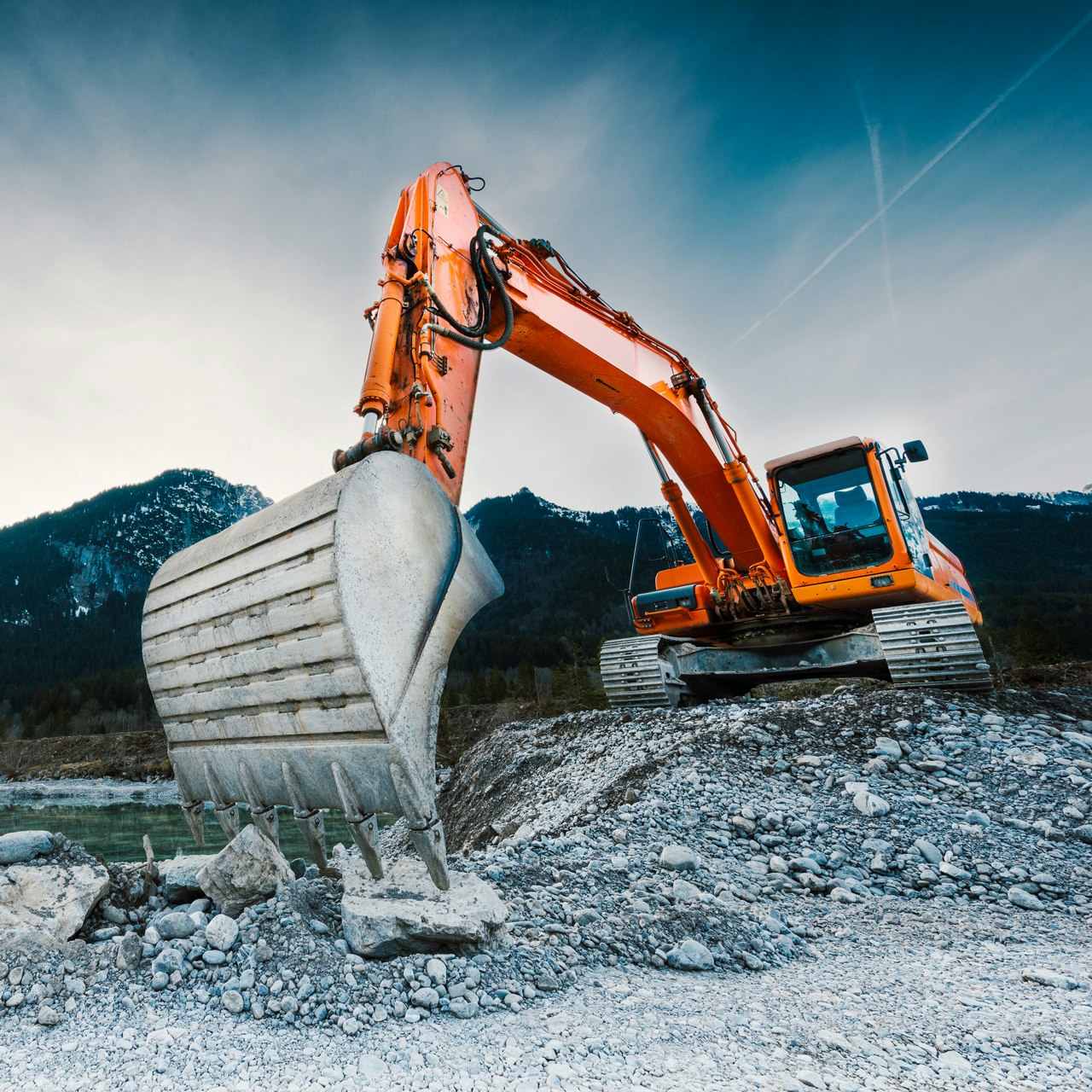
Earth-moving activities under Rule 1466 may include anything from excavation, grading, stockpiling, loading, or handling of soil. Qualifying contaminants, listed in Table I of the rule, include polychlorinated biphenyls (PCBs), hexavalent chromium, arsenic, cadmium, and lead.
Rule 1466 is commonly enforced alongside other regulations, such as SCAQMD Rule 403 (requiring continuous PM10 monitoring during any “large operation” that generates fugitive dust) and Rule 1166 (when VOC-contaminated soil is present). SCAQMD’s status as a national leader in emissions reduction means that Rule 1466 is commonly referenced by agencies nationwide, serving as a benchmark air quality regulation throughout the United States.
What monitoring parameters and action levels are required under Rule 1466?
Site operators on Rule 1466-qualifying remediation projects are required to carry out continuous, real-time monitoring of PM10, along with wind speed and direction. Monitoring must take place at upwind and downwind locations using SCAQMD-approved monitoring systems.
Under Rule 1466, if PM10 or wind measurements exceed the following action levels, all earth-moving activities must stop immediately:
- PM10 >25 µg/m³ (calculated at a 2-hour average)
- Wind speed >25 mph (or >15 mph within a 15-minute average)
Only once PM10 levels fall below the 25 µg/m³ limit (across a 30-minute average) can normal operations resume.
What else is required for Rule 1466 compliance?
To help maintain safe PM10 levels, Rule 1466 sets out a series of strict dust control measures, including actively wetting down soil, installing appropriate fencing, and limiting on-site vehicle speed to 15mph.
In addition to dust control measures and action levels for PM10 and wind, Rule 1466 also requires operators to:
- Notify SCAQMD before work begins, and in the event of an exceedance or an emergency
- Maintain recordkeeping logs for at least three years, using a SCAQMD-approved format (with Rule 1466 recordkeeping templates available)
- Complete a three-hour training class, “Dust Control in the South Coast Air Basin”
- Install SCAQMD-approved signage at all entrances and at intervals of 1,000 feet along the property line
- Ensure monitoring systems meet prescribed hardware and software requirements under the rule
How does Aeroqual’s technology help fulfil Rule 1466 air monitoring and reporting requirements?
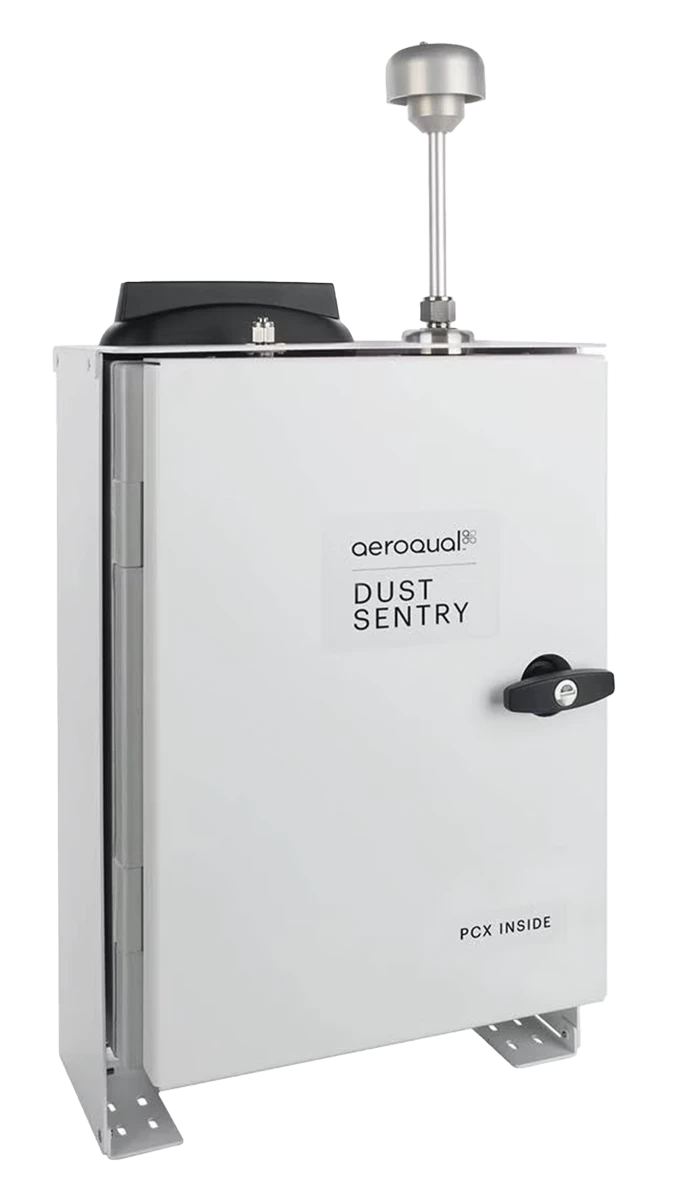
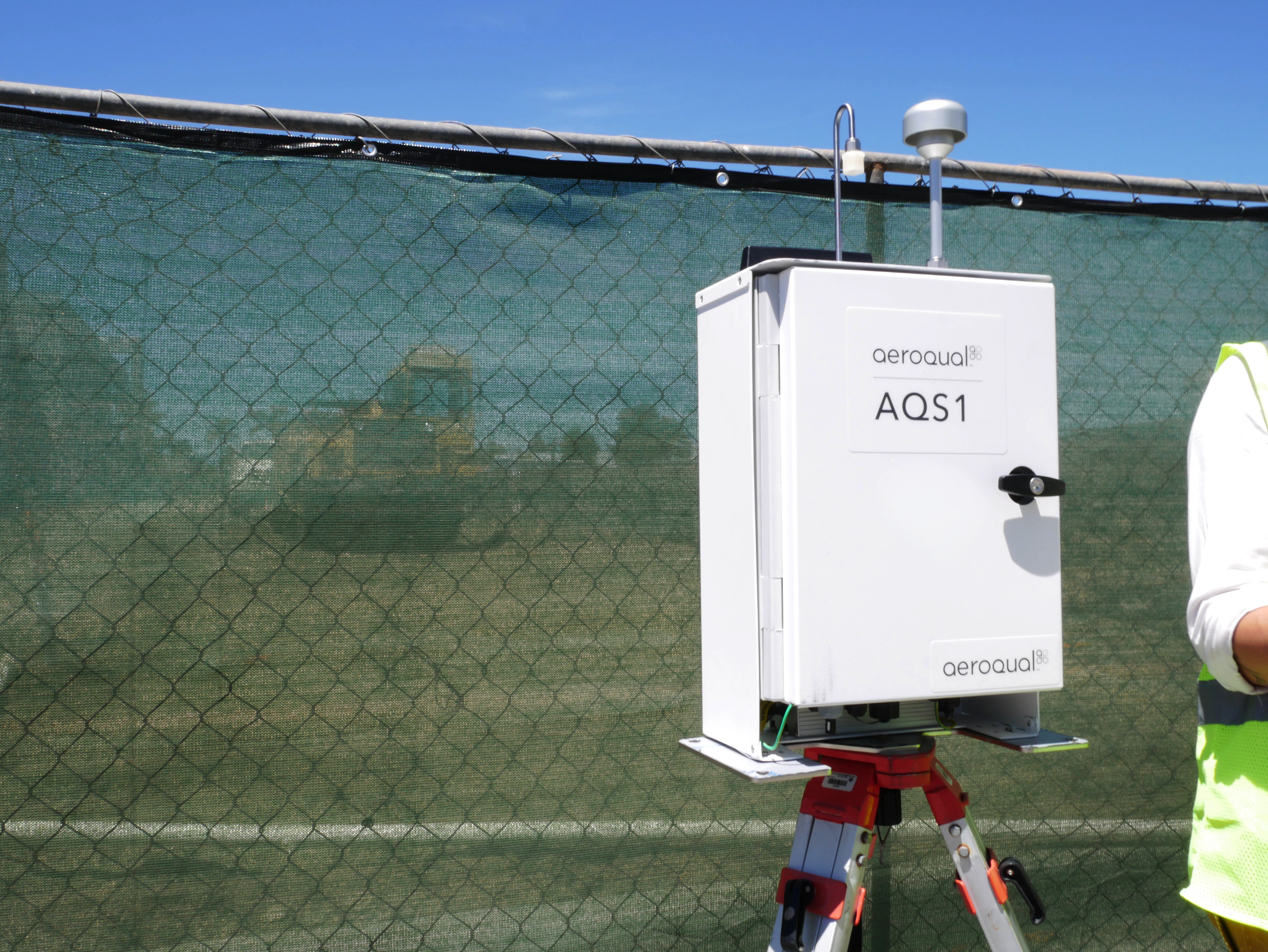
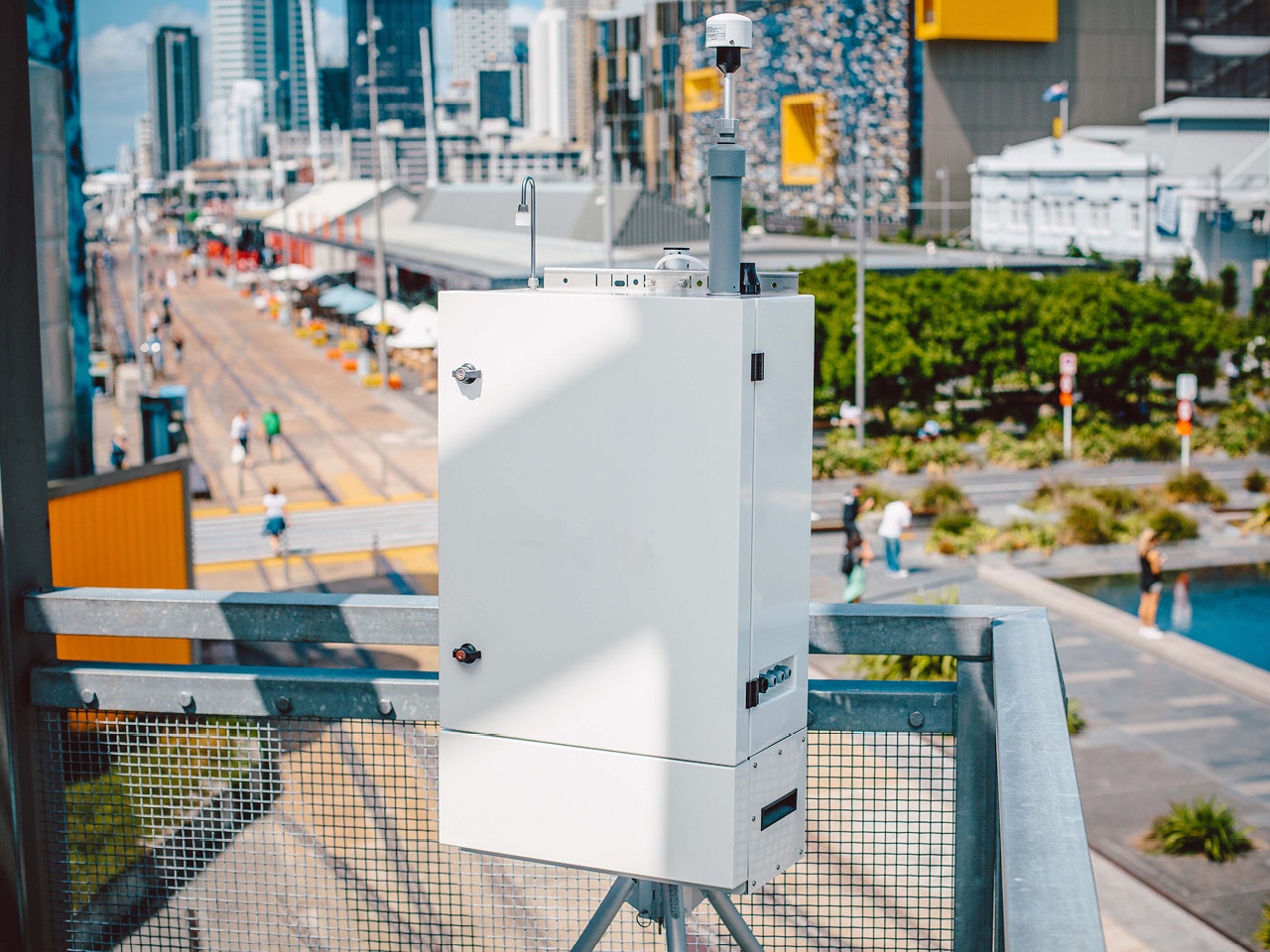
Aeroqual’s integrated hardware and software solutions are designed to overcome the practical challenges of Rule 1466 compliance, from meeting all prescribed air monitoring requirements (including recent updates) to confidently delivering regulation-ready reports. We’ve made it easy to maintain compliance by offering two air quality monitoring solutions that are pre-approved by SCAQMD. Both the Aeroqual AQS 1 Air Quality Monitor and Dust Sentry provide simultaneous real-time measurement of multiple particle fractions (PM1, PM2.5, PM4, PM10, and TSP). As SCAQMD pre-approved solutions, both systems meet all essential physical and performance requirements contained in Appendix 1 of Rule 1466.
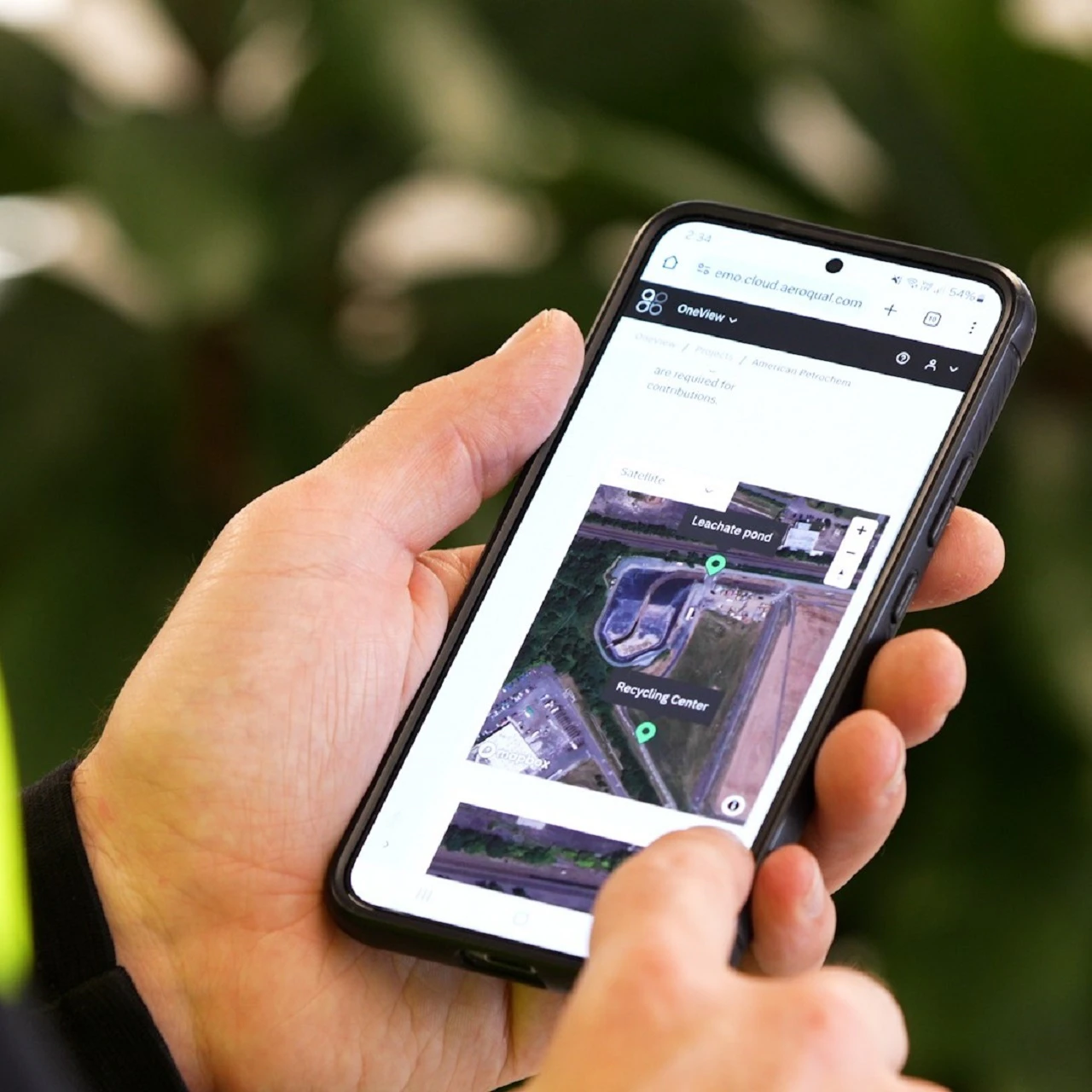
Aeroqual OneView, our remediation air monitoring software, combines automated site contribution calculations and regulation-specific report templates to make Rule 1466 data management and compliance easier than ever. OneView integrates with our SCAQMD pre-approved monitoring systems to ensure accurate record-keeping and provide real-time alerts if pollutant levels exceed customizable thresholds.
What are some recent examples of Aeroqual’s technology streamlining Rule 1466 compliance?
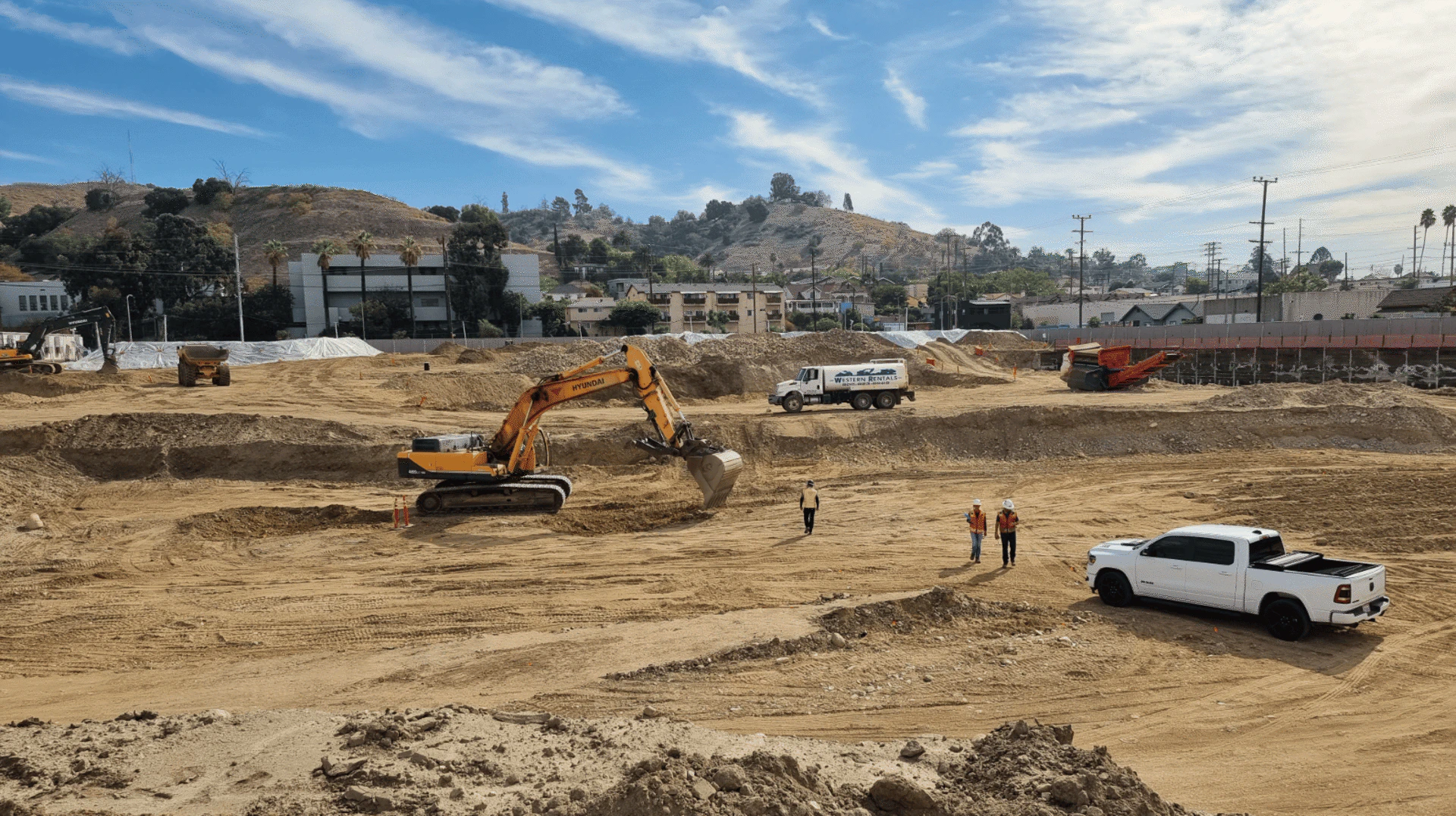
During a high-profile $140 million brownfield redevelopment project in Los Angeles, Analytical Consulting Group (ACG) deployed SCAQMD-approved Aeroqual Dust Sentry monitors to capture PM10 and wind data at upwind and downwind locations. Aeroqual Cloud software was used to centralize data management, enable automated alerts, and meet all reporting requirements. Despite several site audits, no violations were found, and emissions never exceeded regulatory limits across the six-month monitoring period.
TRC Companies, Inc. was tasked with managing environmental concern as part of a $100+ million Long Beach reclamation project on behalf of the Los Angeles Department of Water and Power (LADWP), the nation’s largest municipal utility. TRC deployed a series of Aeroqual Dust Sentry monitoring systems integrated with Aeroqual Cloud. This setup allowed TRC to provide real-time data to key stakeholders using a shared site dashboard, maintain regulatory compliance, and take swift corrective action when needed.
Achieve Rule 1466 compliance with a SCAQMD pre-approved monitoring system
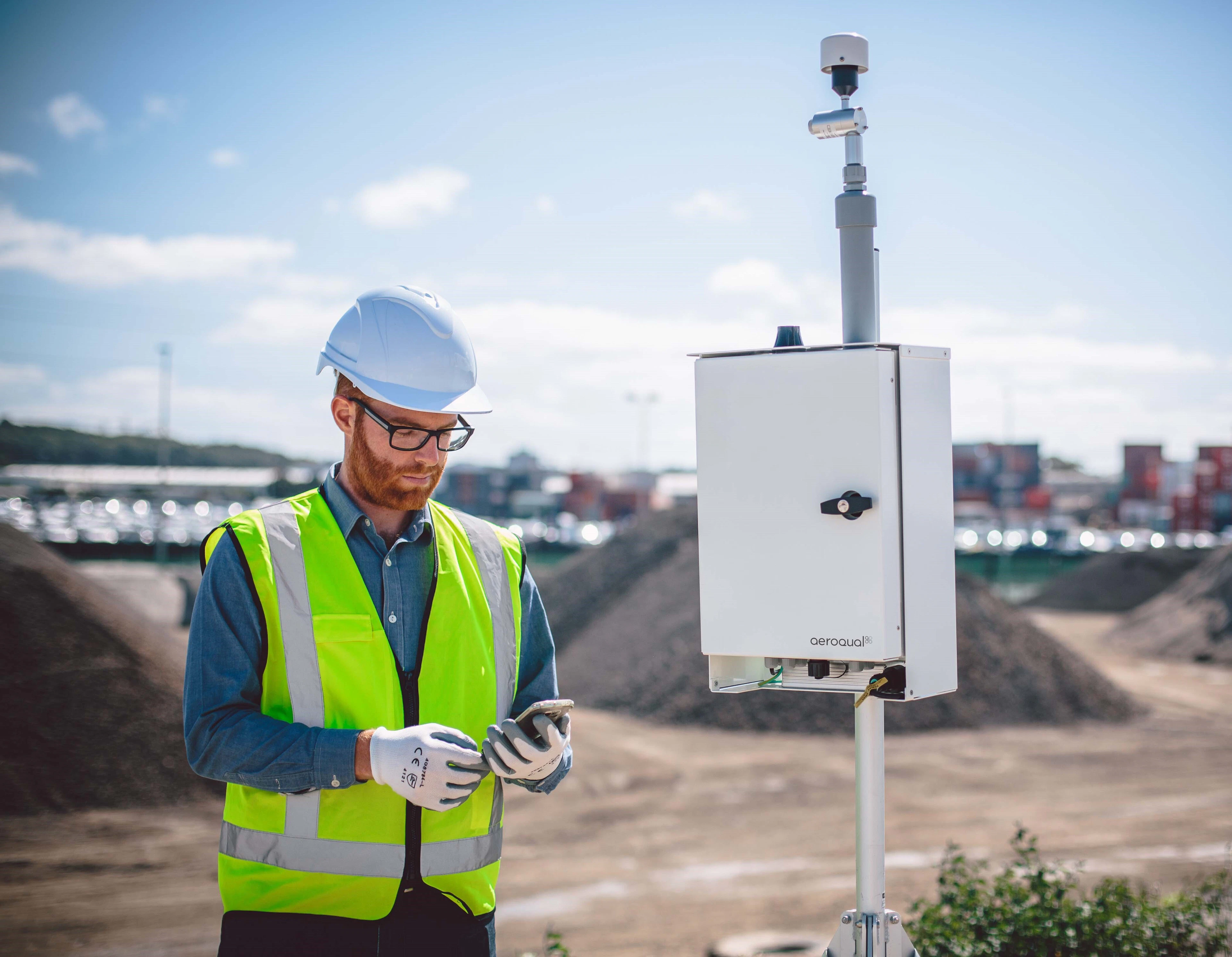
Confidently maintain Rule 1466 compliance by deploying the Aeroqual AQS 1 Air Quality Monitor or Dust Sentry, both pre-approved by SCAQMD. Both monitoring systems fulfill Rule 1466 requirements for continuous PM₁₀ monitoring at upwind and downwind locations in real time. The AQS 1 also features the ability to simultaneously measure up to three gases (including VOCs, O3, NO2, CO, H2S, SO2, and CH4) – perfect for when other regulations, such as Rule 1166 or DER-10, may also require real-time gas monitoring.
Capture defensible data using a purpose-built monitor
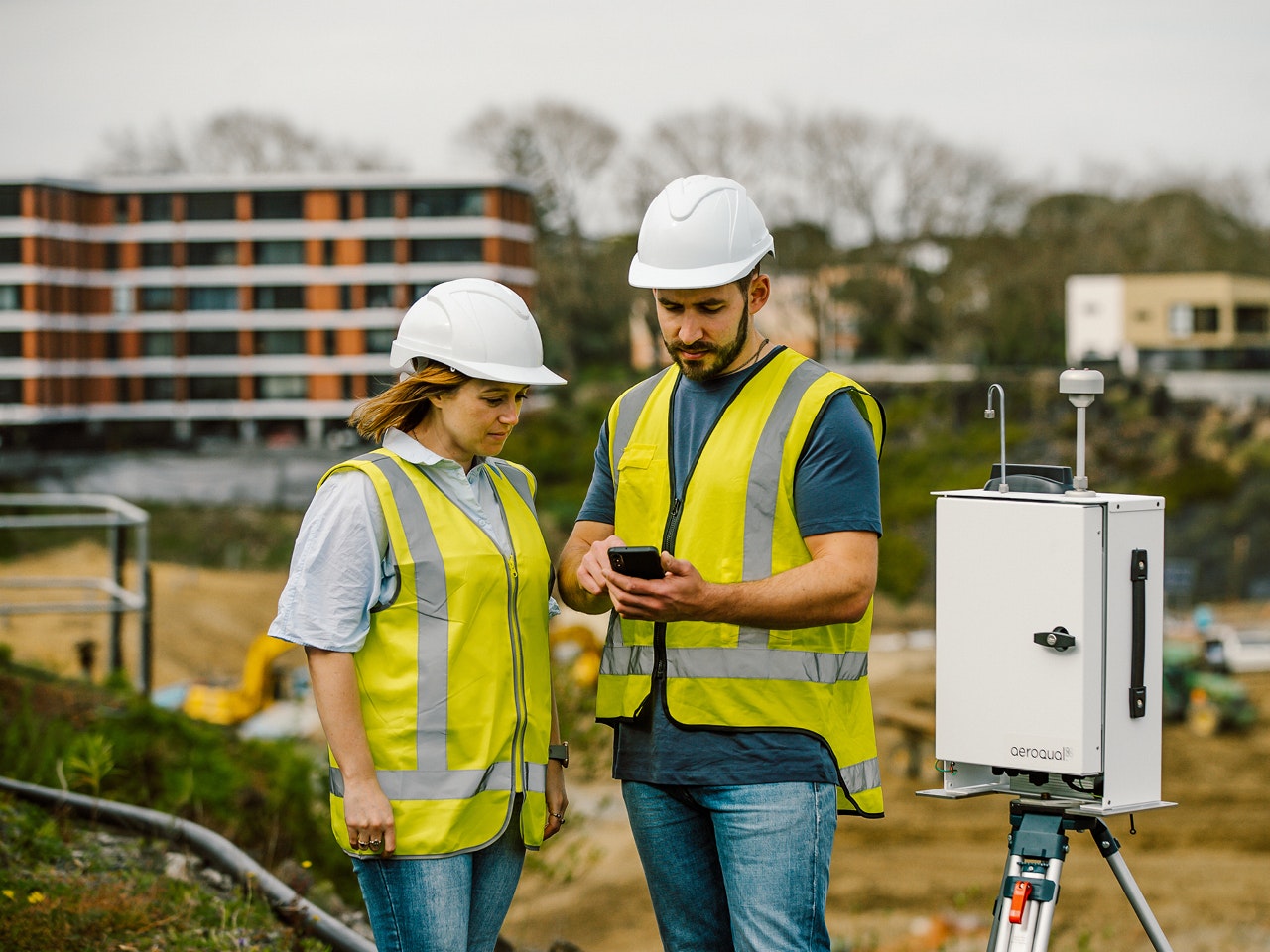
Preserve data accuracy no matter the conditions and deliver real-time measurements you can trust. Aeroqual’s technology meets all Rule 1466 physical and performance requirements for air monitoring systems, including 1-minute reporting requirements, a heated inlet that eliminates data interference caused by excess humidity, and a rugged, weatherproof design.

Minimize risk and deliver compliance-ready reports with Aeroqual Oneview
Automate site contribution and other key calculations, generate regulation-specific reports, and save up to 45 minutes a day with Aeroqual OneView, our pioneering software engineered specifically for remediation air monitoring. Reporting templates include Rule 1466, NY DER-10, and NJ PAM.
Save ample time on set-up and deployment
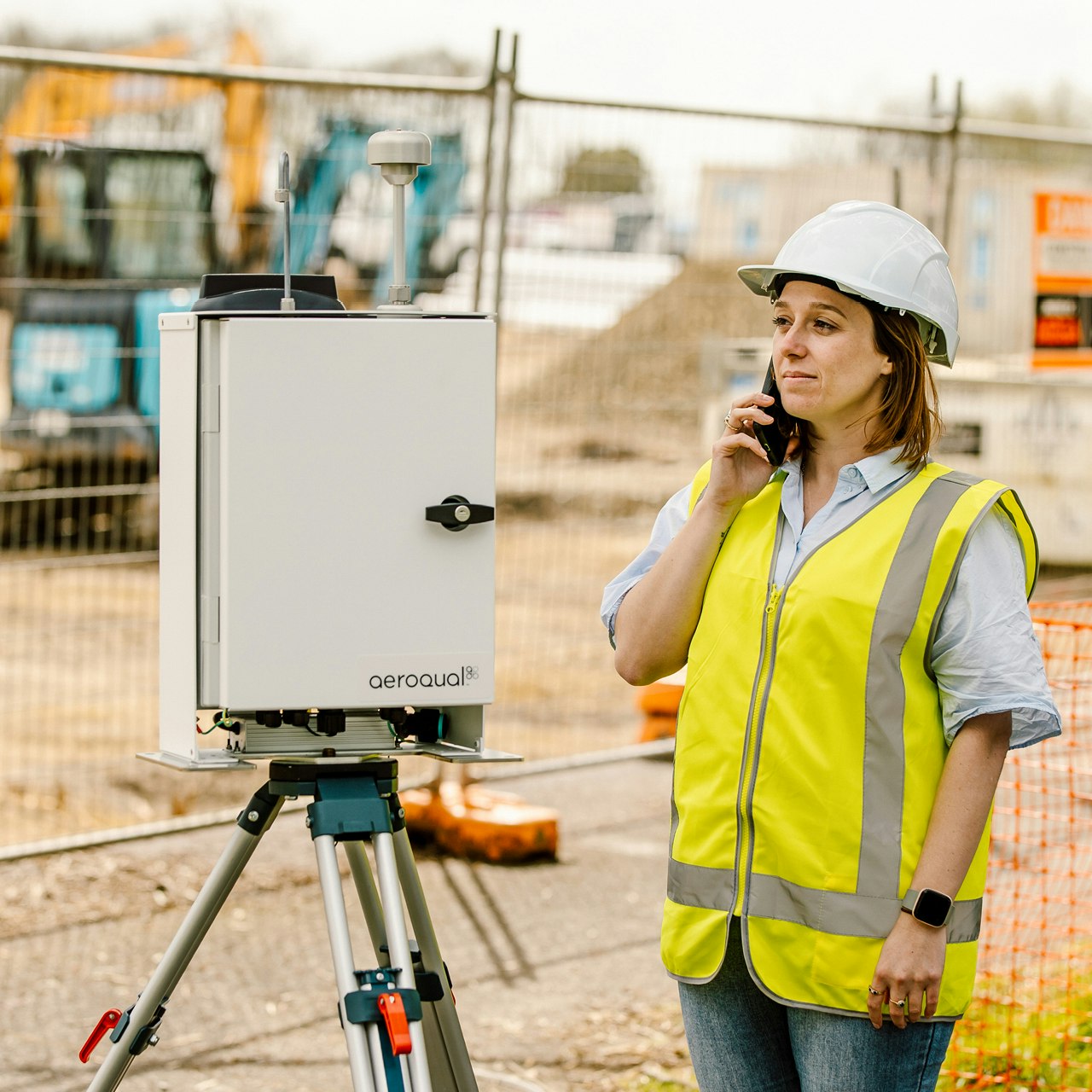
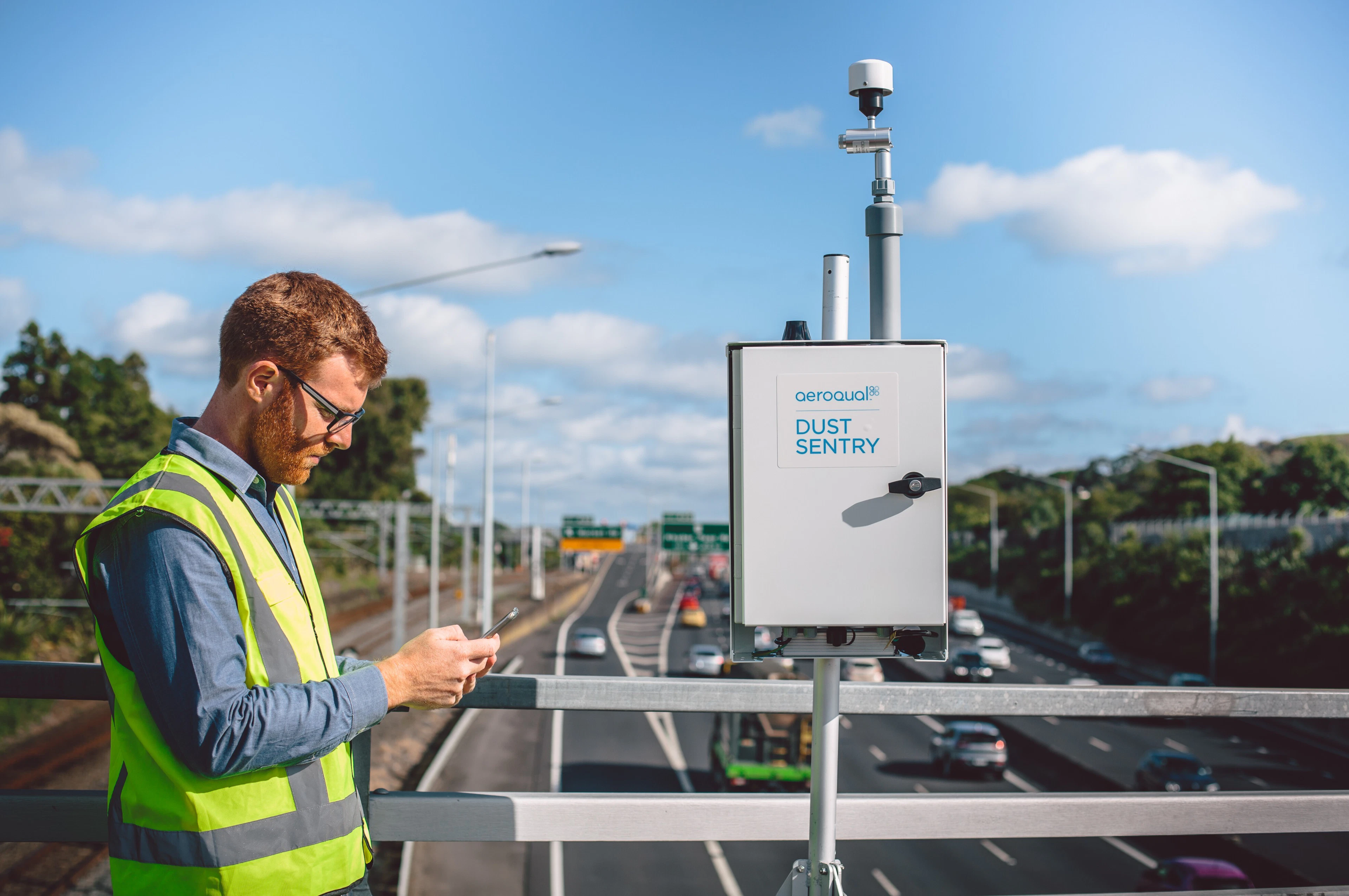
Install Rule 1466-compliant monitors and start gathering real-time data in minutes. Both AQS 1 and Dust Sentry monitoring systems are designed for easy deployment, featuring a highly portable design and flexible mounting options (install on a tripod, pole, or fence, as your site layout allows). Choose between mains power, solar, or a lightweight, long-lasting battery.
Purpose-built remediation air quality monitoring
Satisfy Rule 1466 requirements and protect sensitive receptors by investing in an integrated remediation monitoring hardware and software system.
How to Comply with Rule 1466
At 23 pages plus appendices, Rule 1466 is a dense regulation that requires close reading to guarantee ongoing compliance. This quick step-by-step guide offers a handy checklist for complying with the rule and delivering a successful project.
Step 1. Notify SCAQMD before work starts
Notification should be within 30 days of earth-moving activities starting and received at least 72 hours before. Operators must submit an online form and a site map, detailing earth-moving activities, toxic air contaminants, and monitoring locations. A hard copy of both the form and site map should then be sent to SCAQMD within 48 hours of submitting the online form.
Step 2. Select a SCAQMD-approved monitor
SCAQMD provides a list of pre-approved monitoring systems that meet all hardware and software requirements under Rule 1466.
Step 3. Deploy monitors and set up automatic alerts
Place monitors capable of continuously measuring PM10 and wind speed and direction in real time at upwind and downwind locations. Customize automatic alerts in line with Rule 1466 action levels:
- PM10 >25 µg/m³ (calculated at a 2-hour average)
- Wind speed >25 mph (or >15 mph within a 15-minute average)
Step 4. Carry out ongoing dust control measures and install required signage
Examples of dust control measures prescribed by Rule 1466 include:
- Installing fencing that is “a minimum of 6 feet tall but at least 6 inches taller than the height of the tallest stockpile”
- Adequately wetting soil “at frequencies to prevent the generation of visible dust plumes”
- Posting signs “at all entrances of the site to designate the speed limit as 15 mph”
- Separating contaminated and non-contaminated stockpiles, applying dust suppressant prior to any loading, and conducting daily inspections of stockpiles to ensure adequate stabilization
Adequate signage must be installed at all entrances and at intervals of 1,000 feet along the property line. Additional signage requirements can be found in section (g) of the rule, including mandatory warnings and display text size.
Step 5. Notify SCAQMD in the event of exceedance or emergency
If an exceedance is detected, operators must notify SCAQMD via an online form within 72 hours.
For events that meet the threshold of an emergency (defined as either a life-threatening situation or an officially declared state of emergency) or activities conducted by essential service utilities, operators must notify SCAQMD via a separate online form within 48 hours.
Step 6. Maintain compliant records
Under Rule 1466, detailed records must be made available to regulators and maintained for at least three years following project completion.
Benefits
Real-Time Measurement
Capture real-time data via a SCAQMD-approved monitoring system
Instant Alerts
Take swift mitigation actions if measurements exceed custom limits
Automated Calculations
Automate site contribution and generate Rule 1466-ready reports
FAQs
Appendix 1 of Rule 1466 establishes a detailed list of physical and performance requirements for PM10 monitors. These requirements include:
- Continuous, near-real time monitoring (calculating “PM10 concentration in micrograms per cubic meter every 1 minute or less”)
- Omni-directional heated sampler inlet
- Sample pump with active flow control mechanism
- Data logger “capable of logging each data point with average concentration, time, date, and data point number”
- User-selectable averaging (including 30-minute and 2-hour intervals)
To help ensure compliance, SCAQMD has published a current list of pre-approved monitors for Rule 1466 (including the Aeroqual AQS 1 and Dust Sentry).
By pairing one of our SCAQMD-approved monitoring systems with our Aeroqual OneView remediation software, site operators can automate reporting in line with regulatory requirements. Aeroqual OneView was designed with Rule 1466 and other key regulations in mind, further supporting ongoing compliance by equipping you with:
- Built-in report templates and regulation-specific reports, delivered to your inbox daily
- Automated site contribution calculations, ensuring accurate measurements and protecting you from undue blame
- Upwind/downwind logic that auto-assigns monitors based on wind direction, eliminating the need to manually move monitors as wind direction changes
- Extensive customization options, from custom alert levels to branded reports
- Remote access to real-time dashboards and comprehensive data visualizations
The combination of an Aeroqual Dust Sentry or AQS 1 with Aeroqual OneView creates an automated plug-and-play system that reliably maintains compliance while saving users an average of 45 minutes per day.
Along with our integrated hardware and software solutions, purpose-built for maintaining Rule 1466 compliance, we also offer a series of educational resources, including:
- Rule 1466 air monitoring packages pre-approved by SCAQMD
- Our Rule 1466 compliance guide (updated to reflect recent rule changes)
- On-demand webinars
- Recent case study examples (e.g., Avenue 34 affordable housing redevelopment, LADWP reclamation project)
We’re committed to making it easy for you to maintain Rule 1466 compliance and deliver a successful project.
Related Products