






Compliance
Fenceline Air Quality Monitoring for DER-10
Protect sensitive receptors and maintain regulatory compliance during brownfield remediation with air monitoring technology optimized for DER-10.
What is regulation DER-10, and when does it apply?
For US-based developers, site remediators, and environmental consultants, particularly those working on the East Coast, a practical understanding of regulation DER-10 is essential.
Established by the New York State Department of Environmental Conservation (NYSDEC) and administered by the Division of Environmental Remediation (DER), regulation DER-10 outlines an extensive set of requirements for brownfield remediation projects. Across 225+ pages, DER-10 outlines detailed procedures for every stage of the remediation process, from initial site assessment to monitoring, post-project cleanup, and everything in between.
Central to achieving DER-10 compliance is the creation of a Community Air Monitoring Plan (CAMP). A DER-10 CAMP requires continuous air quality monitoring during “ground intrusive” activities, including the demolition of structures and the remediation of contaminated or potentially contaminated soil. Continuous monitoring is required at upwind and downwind locations at the perimeter of the site. Upwind measurements are used to determine a background level of emissions. The difference in emission levels between upwind and downwind monitors is then used to determine an appropriate mitigation response, as set out in Appendix 1A of the regulation.
What air quality monitoring parameters are required under DER-10?
Depending on the nature of known or potential contaminants at the site, most qualifying projects will require continuous monitoring of both volatile organic compounds (VOCs) and particulate matter (PM10). Some sites may only require particulate monitoring (e.g., where a site is known to be contaminated with heavy metals alone), while others may require additional parameters (e.g., where radiological contamination is a concern) to be determined in consultation with NYSDEC staff.
Air quality monitoring requirements under a DER-10 CAMP are intended to protect off-site receptors (including residences and businesses) from airborne emissions caused by site activities. A successful CAMP also equips site operators with credible proof that work activities did not spread airborne contamination off-site.
What action levels and mitigation measures are contained in DER-10?
The following table provides a summary of action levels and mitigation measures under DER-10.
Parameter
Range
Action Required
Total Organic Vapors
Downwind measurement is >5 ppm above upwind (background) levels (across a 15-minute average).
Temporarily halt work activities and continue monitoring.
If the downwind total organic vapor level readily decreases (per instantaneous readings) below 5 ppm over background, work activities can resume with continued monitoring.
Downwind level persists at >5 ppm but <25 ppm above background (15-minute average).
Halt work activities, identify the source of vapors, take corrective actions, and continue monitoring.
Work may resume once the total organic vapor level 200 ft downwind of the exclusion zone, or half the distance to the nearest potential receptor or residential/commercial structure (whichever is less, but in no case less than 20 ft), is <5 ppm over background (15-minute average).
>25 ppm at the perimeter of the work area
Shut down work activities.
PM10
Downwind measurement is >100 µg/m3 above background levels (15-minute average), or if airborne dust is observed leaving the work area.
Employ dust suppression techniques.
Work activities may continue with dust suppression in place, provided that downwind PM10 levels remain <150 µg/m3 above background, and that no visible dust is migrating from the work area.
Following dust suppression techniques, downwind PM10 is >150 µg/m3 above background.
Stop work and re-evaluate site activities.
Work may resume once dust suppression measures and other controls reduce downwind PM10 levels to <150 µg/m3 above background and no visible dust is migrating from the work area.
How does Aeroqual’s technology help fulfil Rule 1466 air monitoring and reporting requirements?
Aeroqual’s integrated hardware and software monitoring solutions have been specifically developed to help consultants and site operators streamline compliance requirements for key regulations such as DER-10.
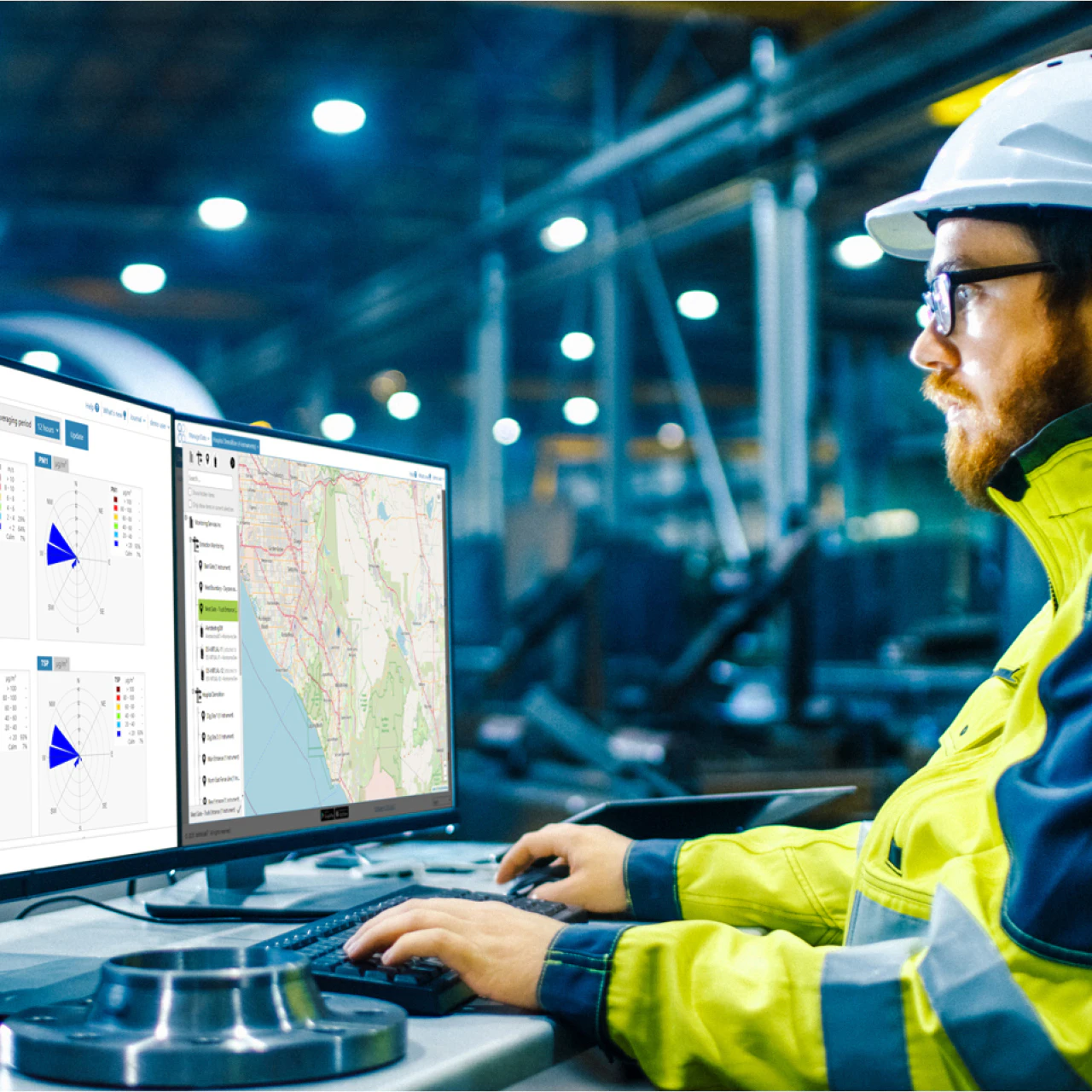
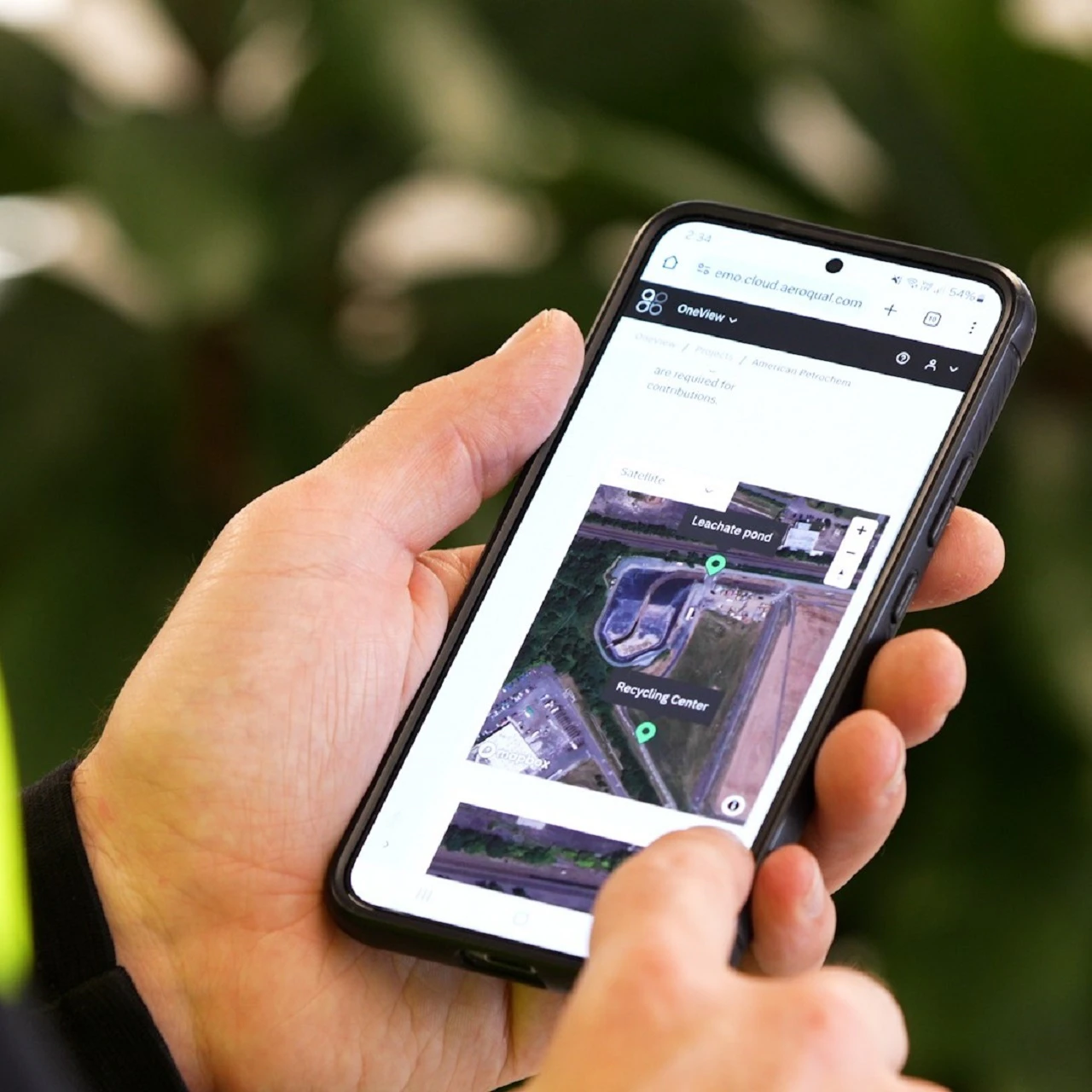
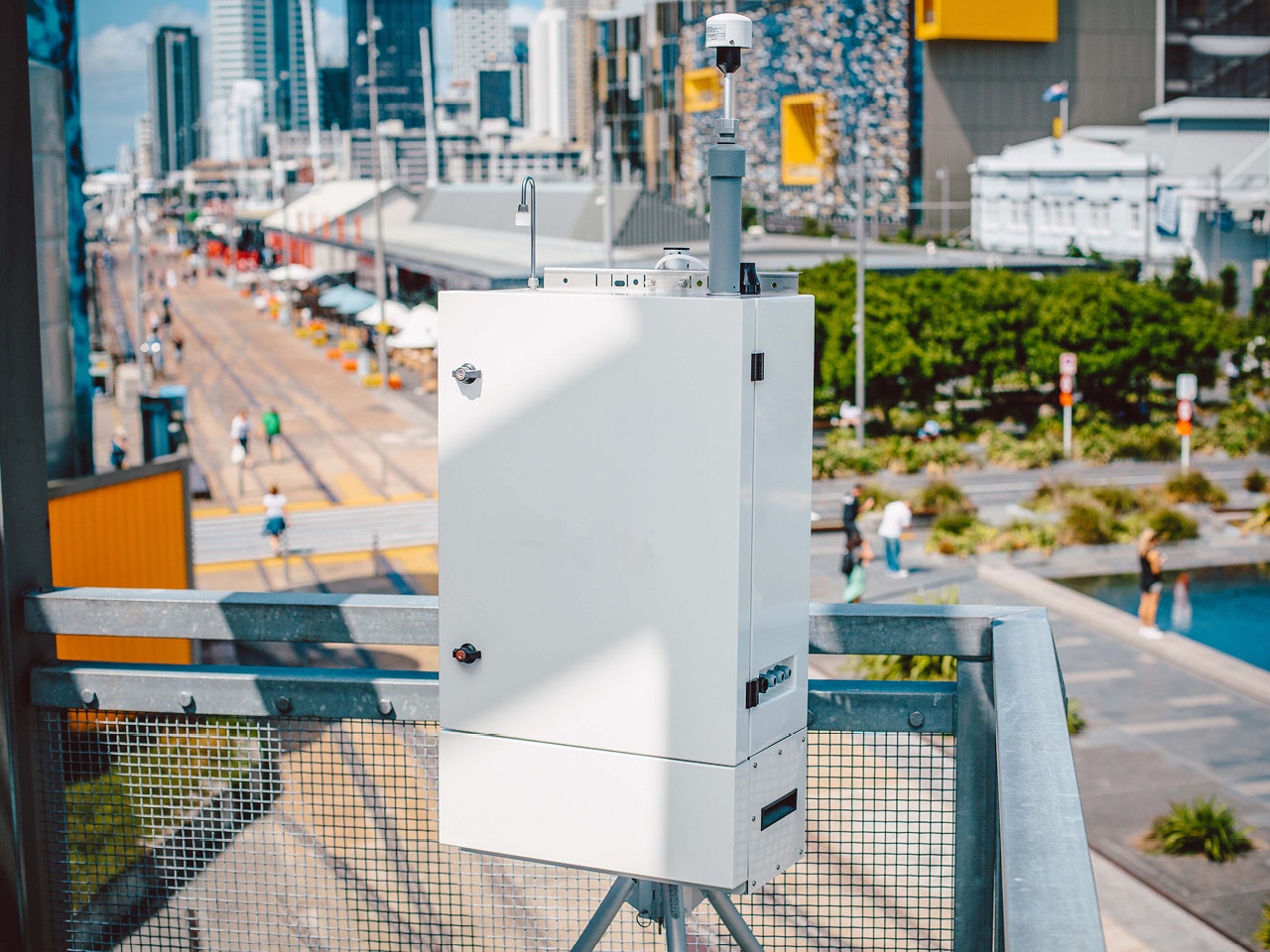
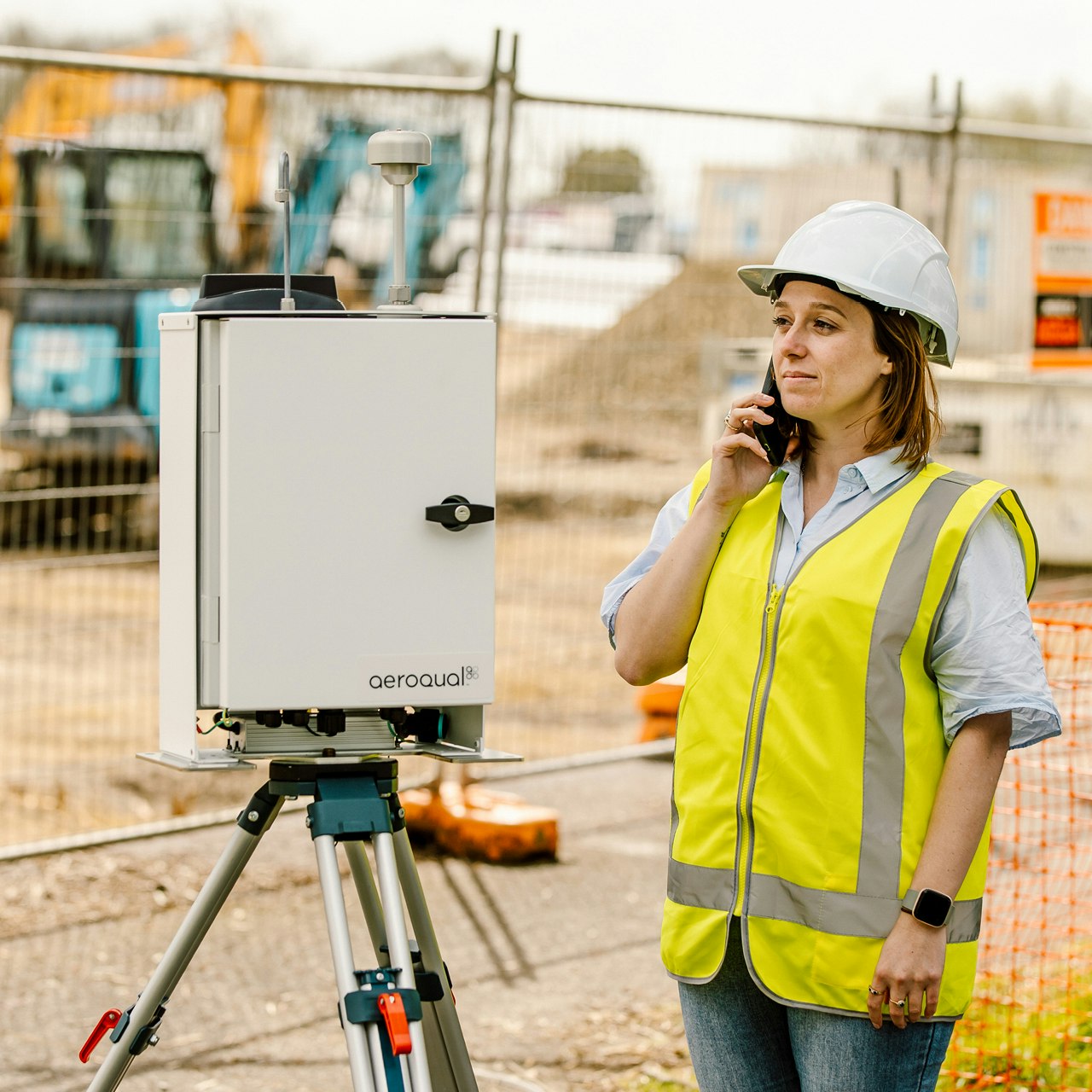
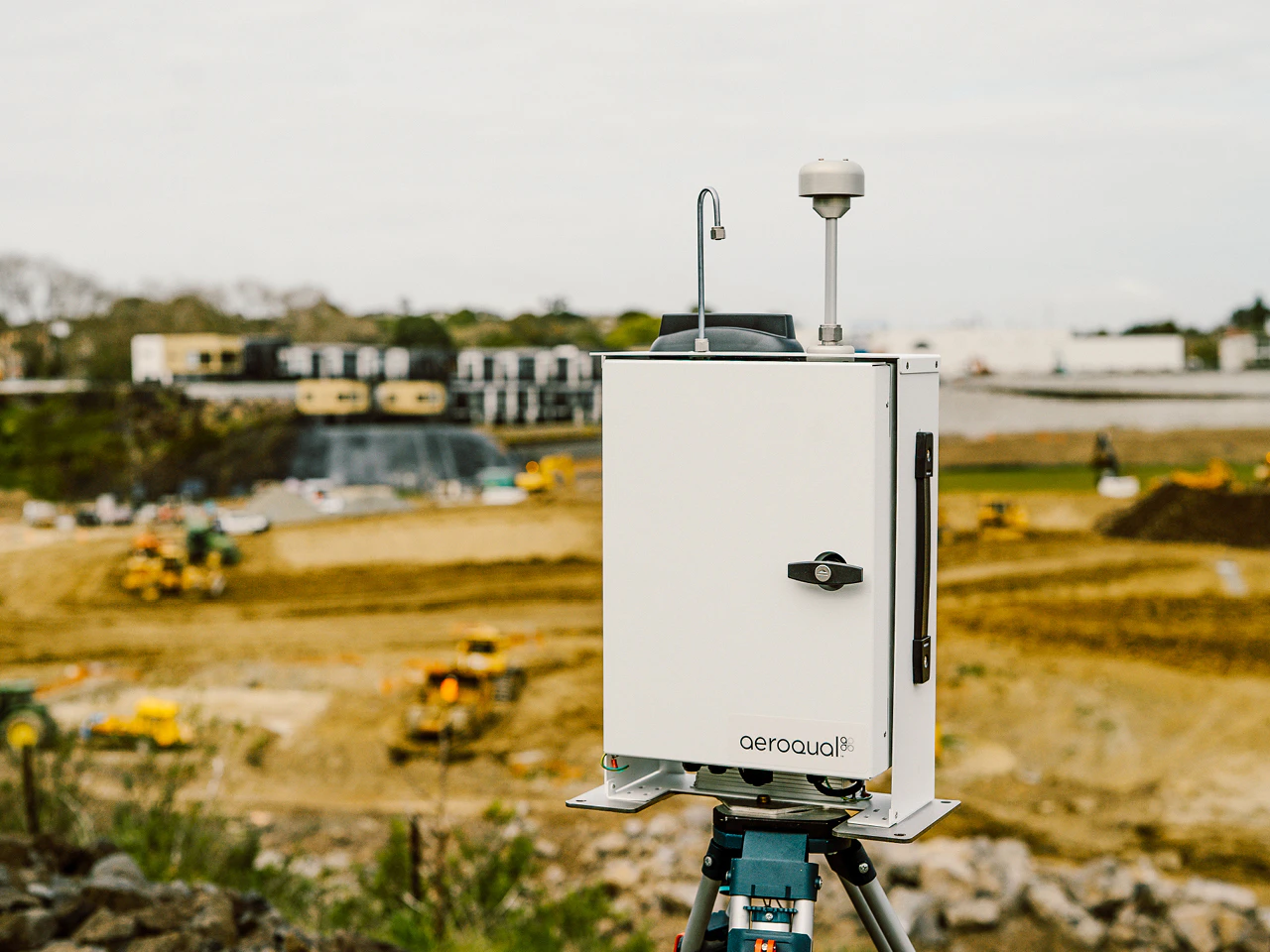
The Aeroqual AQS 1 simultaneously measures VOCs and particulate matter in real time. By pairing the AQS 1 with Aeroqual OneView, our remediation monitoring software, operators can automate upwind and downwind calculations. This reduces the need to manually relocate monitors as wind direction changes, while speeding up deployment and increasing accuracy. Aeroqual OneView also contains built-in regulation templates, including DER-10, generating automatic regulator-ready reports at the click of a button.
With remote monitoring access and two-way communication, operators are able to gather data, manage alerts, and troubleshoot on the go. This reduces site visits, saving time and money and empowering users to get on top of a potential exceedance before it becomes a problem.
What are some recent examples of Aeroqual’s technology streamlining DER-10 compliance?
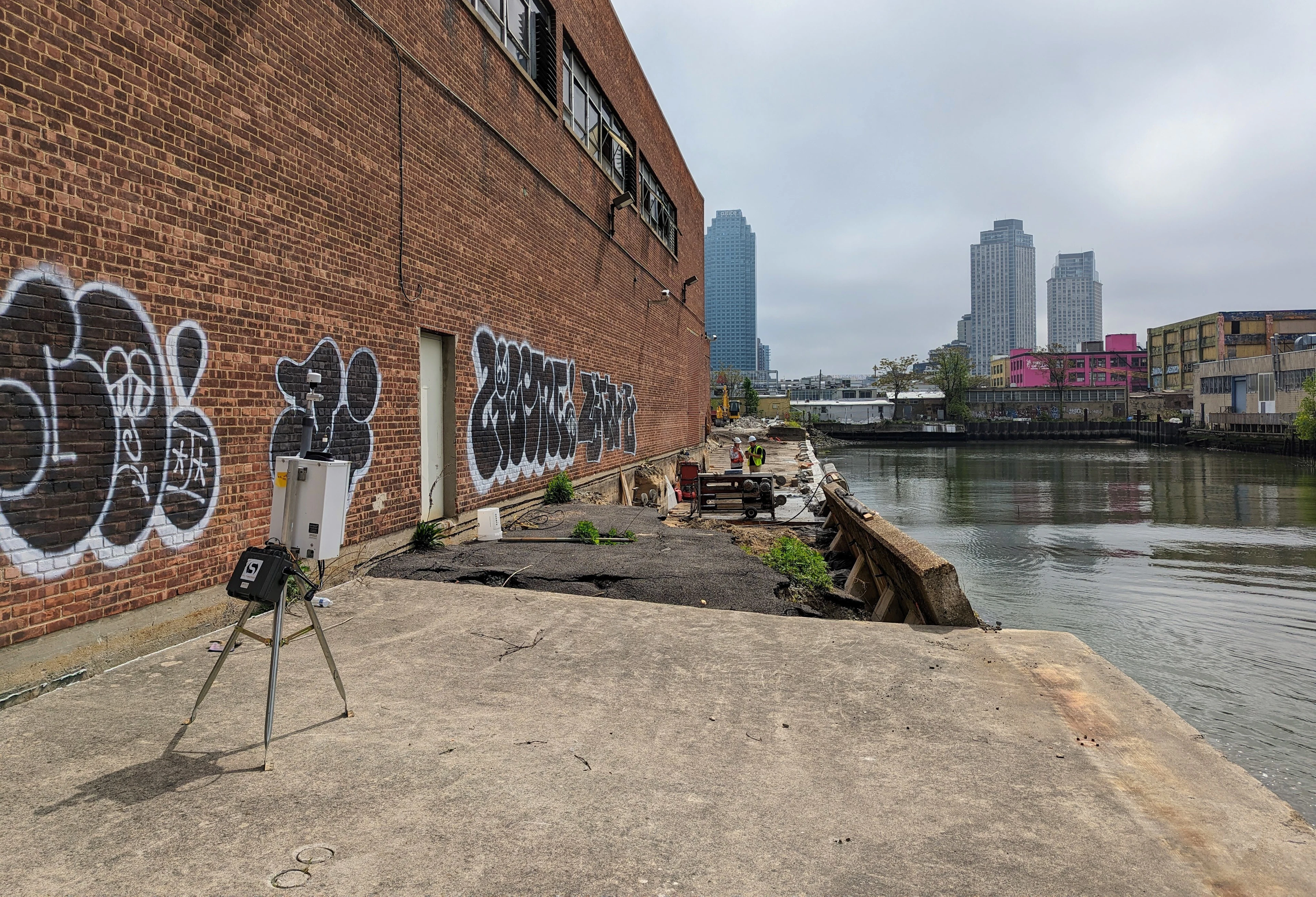
Langan was tasked with deploying an air quality monitoring system to maintain DER-10 CAMP compliance during a $1.2 billion multi-phase build in East New York. The Alafia Development, providing locals with 2,400 affordable homes, involved the remediation of a 27-acre decommissioned public site. When soil sampling detected methane at levels of concern, methane monitoring was added to the CAMP, along with standard PM10 and VOC monitoring. Aeroqual’s solution enabled Langan to “automate data reporting, simplify deployment, and allow less frequent calibrations without compromising data quality”.
Langan again chose an Aeroqual solution, in partnership with Specto Technology, during an $850 million brownfield remediation project in Manhattan’s Seaport Historic District. Here, the Aeroqual AQS 1 was integrated with Jerome analyzers, creating a real-time system capable of monitoring PM10, VOCs, mercury vapor, and wind. Aeroqual’s compact, plug-and-play solution reduced daily setup, breakdown, and reporting time by half, minimizing potential exposure and reassuring community stakeholders, resulting in “major time and cost savings over the project”.

Protect workers and the community with simultaneous real-time measurement
Under DER-10 regulations, PM10 levels must be continuously monitored at a 15-minute interval. This rules out many reference PM monitoring technologies designed for 24-hour sampling.
The Aeroqual AQS 1 Air Quality Monitor provides simultaneous measurement of VOCs and multiple particle fractions (TSP, PM10, PM4, PM2.5, and PM1). Data is reported in 1-minute intervals with user-selectable averaging, delivering highly accurate results strongly correlated with US EPA reference analyzers.
Eliminate cross-interferences and sensor drift for compliance-ready data
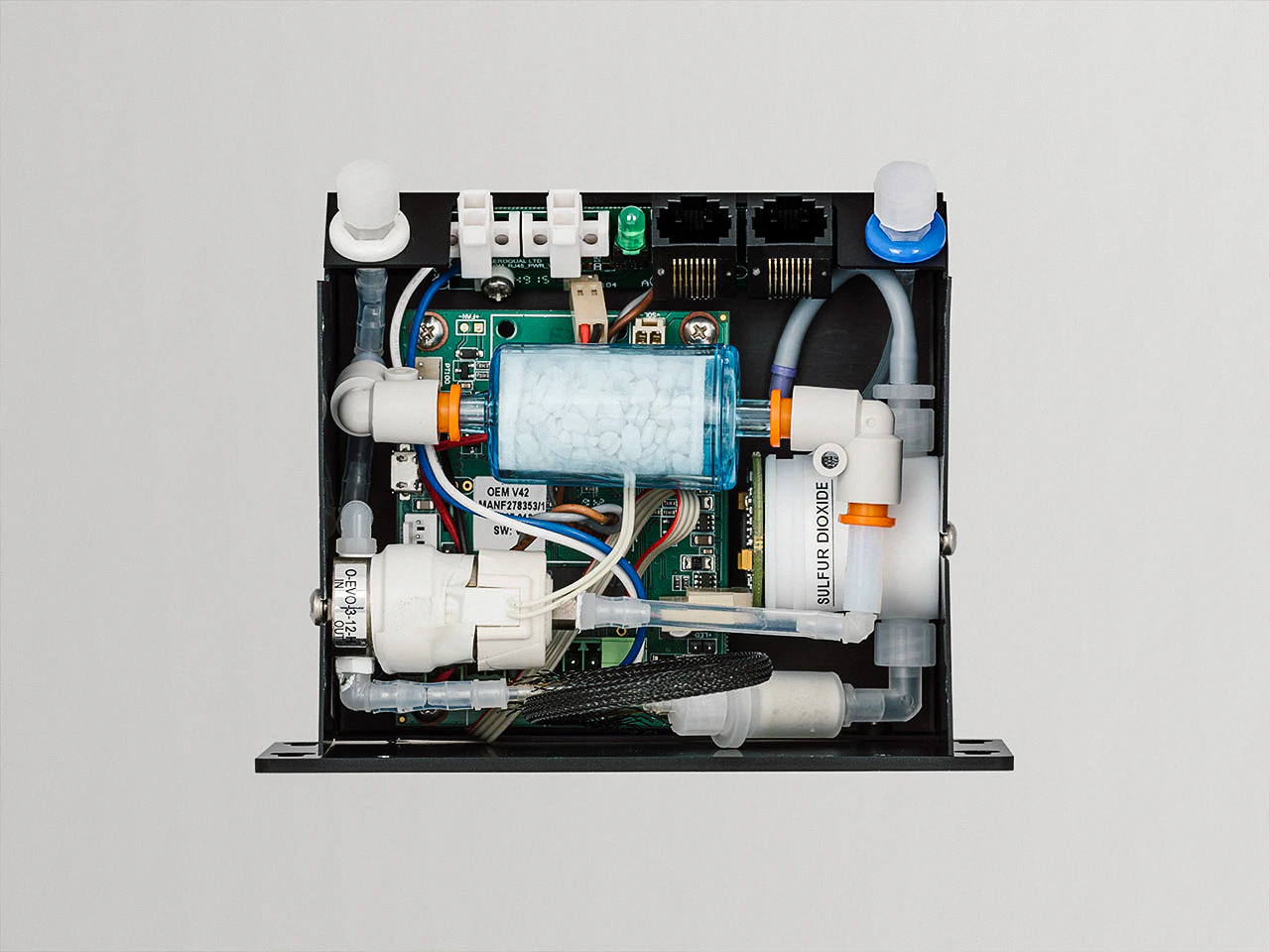
Deliver more accurate measurements and reduce the need for in-field calibration with Aeroqual’s patented Automatic Baseline Correction (ABC) technology.
Our ABC-equipped sensors correct for cross-interferences and sensor drift caused by changes in temperature and humidity, taking a baseline measurement every 60 seconds and automatically remedying drift using a proprietary selective scrubber and response algorithm. Rectify two of the biggest issues for PID-based monitors and maintain DER-10 compliance with ease.
Automate site contribution calculations and avoid undue blame
Continuously capture upwind and downwind measurements without the need for manual calculations by using our Aeroqual OneView perimeter air monitoring software.
Aeroqual OneView automatically calculates site contribution based on current wind conditions. Satisfy DER-10 CAMP requirements without having to physically relocate monitors around the work site as weather patterns change, saving valuable time and helping you avoid undue blame for any third-party emissions.

Streamline reporting with Aeroqual OneView’s regulation-specific templates
Reduce risk and simplify DER-10 reporting requirements by using Aeroqual OneView’s built-in regulation-specific templates. Generate on-demand reports or automate scheduled reporting, with templates available for key regulations including DER-10, SCAQMD Rule 1466, and NJ PAM. Customize templates as needed and fulfil reporting requirements with confidence.
Compliance-ready perimeter air quality monitoring
Gather trustworthy, defensible data with an all-in-one air quality monitoring system designed for DER-10 CAMP compliance.
How to Comply with Regulation DER-10
At 225+ pages, regulation DER-10 contains several contingencies and provisions not directly referenced here. This quick guide provides a basic checklist of the most essential and commonly applicable steps for maintaining DER-10 compliance.
Step 1. Notify DER before work starts
Operators must notify the DER in writing of any field investigations at least 7 days before work begins. For any remedial work requiring DER oversight, operators must provide at least 30 days’ notice.
Step 2. Prepare a site characterization report and/or remedial investigation
Site Characterization (SC) under DER-10 involves an initial assessment of site conditions to determine the potential threat to public health posed by ground intrusive activities. This process includes an initial site survey, review of historical site records, and soil sampling to determine contamination levels.
Once a potential threat has been identified, operators must carry out a more extensive Remedial Investigation (RI). This includes further sampling (surface and subsurface soil gas surveys) and geophysical surveys to fully understand the extent of the contamination and potential for harm, and to decide on an effective cleanup plan.
Step 3. Confirm a work plan and set up a DER-10 CAMP monitoring network
An approved DER-10 work plan will include a CAMP. This will contain both generic CAMP requirements (PM10, VOCs, weather) and any site-specific contaminants established during Step 2. Air quality monitoring systems meet all performance standards outlined in Appendix 1B of DER-10, including real-time measurement and user-selectable averaging. Monitors must then be deployed at upwind and downwind locations, both before work begins (to establish a baseline) and during all remedial activities.
Step 4. Monitor pollutant levels and take necessary mitigation actions
Generic CAMP exceedance levels and required actions (set out in Appendix 1A of the regulation and summarized in more detail in the preceding table) are as follows:
Total Organic Vapors:
- >5 ppm above background = temporary stoppage and continued monitoring
- Persists at >5 ppm and <25 ppm above background = halt work and take corrective actions
- >25 ppm above background = shut down work activities
Particulate Matter (PM10):
- >100 µg/m3 and <150 µg/m3 above background or airborne dust observed = employ dust suppression techniques
- >150 µg/m3 above background = stop work and re-evaluate site activities
Dust suppression techniques (outlined in Appendix 1B) include:
- Wetting down haul roads, equipment, and excavation faces
- Spraying water on buckets during excavation and dumping
- Hauling materials in properly tarped or watertight containers
- Restricting vehicle speeds to 10 mph
- Covering excavated areas and material after excavation activity ceases
- Reducing the excavation size and/or number of excavations
In the event of a work stoppage caused by an exceedance, operators must notify the DER within 24 hours.
Step 5. Execute any required post-remediation responsibilities
Some sites may require ongoing periodic monitoring to “ensure the safe reuse of properties where contamination will remain in place”. Where applicable, operators must file a Site Management Plan (SMP), which should include a description of the site, any controls in place, and detail the “nature and extent of the remaining contamination at the site”.
The SMP should provide a general description of the site, the controls in place, and the nature and extent of the remaining contamination at the site.
Step 6. Maintain compliant records
All readings must be recorded and made available for NYSDEC personnel to review. During remedial work, operators must submit a periodic monthly progress report. This report should include all CAMP monitoring records and detail the progress of remedial actions accomplished during the reporting period.
Benefits
Simultaneous Measurement
Continuously monitor all required outdoor air pollutants
Real-Time Data & Alerts
Take immediate action and ensure ongoing DER-10 compliance
Automated Calculations
Reduce site visits and in-field calibration, saving time and money
FAQs
Appendix 1B of the DER-10 Technical Guidance Document sets out a detailed list of performance requirements for fugitive dust and particulate monitoring. These requirements include:
- Real-time particulate monitors capable of monitoring particulate matter less than ten microns (PM10)
- Data logger capable of logging “each data point with average concentration, time/date, and data point number”
- User-selectable averaging, including real-time (1-60 seconds) and 15-minute alarms
- Run summary functions, including overall average, maximum concentrations, time/date of maximum, averaging (logging) period, calibration factor, and more
For reference, the Aeroqual AQS 1 is designed to meet or exceed all DER-10 requirements.
By pairing the Aeroqual AQS 1 with our Aeroqual OneView remediation software, site operators can automate reporting in line with regulatory requirements. Aeroqual OneView was designed with DER-10 and other key regulations in mind, further supporting ongoing compliance by equipping you with:
- Built-in report templates and regulation-specific reports, delivered to your inbox daily
- Automated site contribution calculations, ensuring accurate measurements and protecting you from undue blame
- Upwind/downwind logic that auto-assigns monitors based on wind direction, eliminating the need to manually move monitors as wind direction changes
- Extensive customization options, from custom alert levels to branded reports
- Remote access to real-time dashboards and comprehensive data visualizations
The combination of an Aeroqual AQS 1 and Aeroqual OneView creates an automated system built to effortlessly maintain compliance while saving users an average of 45 minutes per day.
Along with our integrated hardware and software solutions, purpose-built for maintaining compliance, we also offer a series of DER-10-focused resources, including:
- Air Monitoring Technology for DER-10 eBook, available for free download
- Breaks down key sections, while providing helpful examples for setting out a response table, maintaining quality assurance, and delivering a successful CAMP
- Air Monitoring Technology for DER-10 intro blog
- DER-10 remediation perimeter air monitoring packages
- Combining our Aeroqual AQS 1 Air Quality Monitor and Aeroqual OneView remediation software
- Recent case study examples (e.g., East New York affordable housing development, Manhattan’s Seaport Historic District redevelopment)
We’re committed to making it easy for you to maintain DER-10 compliance and deliver a successful project.
Related Products